
Procedure guide
Otoplasty (ear pinning)
Reshape and reposition prominent ears for a more balanced look.
Otoplasty is a surgical procedure that brings ears that stand out from the head closer to it, and can refine the shape of the ear. Below you can watch the procedure, slide through before-and-after photos from one of our patients, and read what to expect.
- Type
- Surgical
- Done as
- Outpatient — you go home the same day
- Scarring
- Usually hidden behind the ear
- Next step
- A consultation with your surgeon
The background video shows real surgery.
Before and after
Photos shared with the patient's permission.
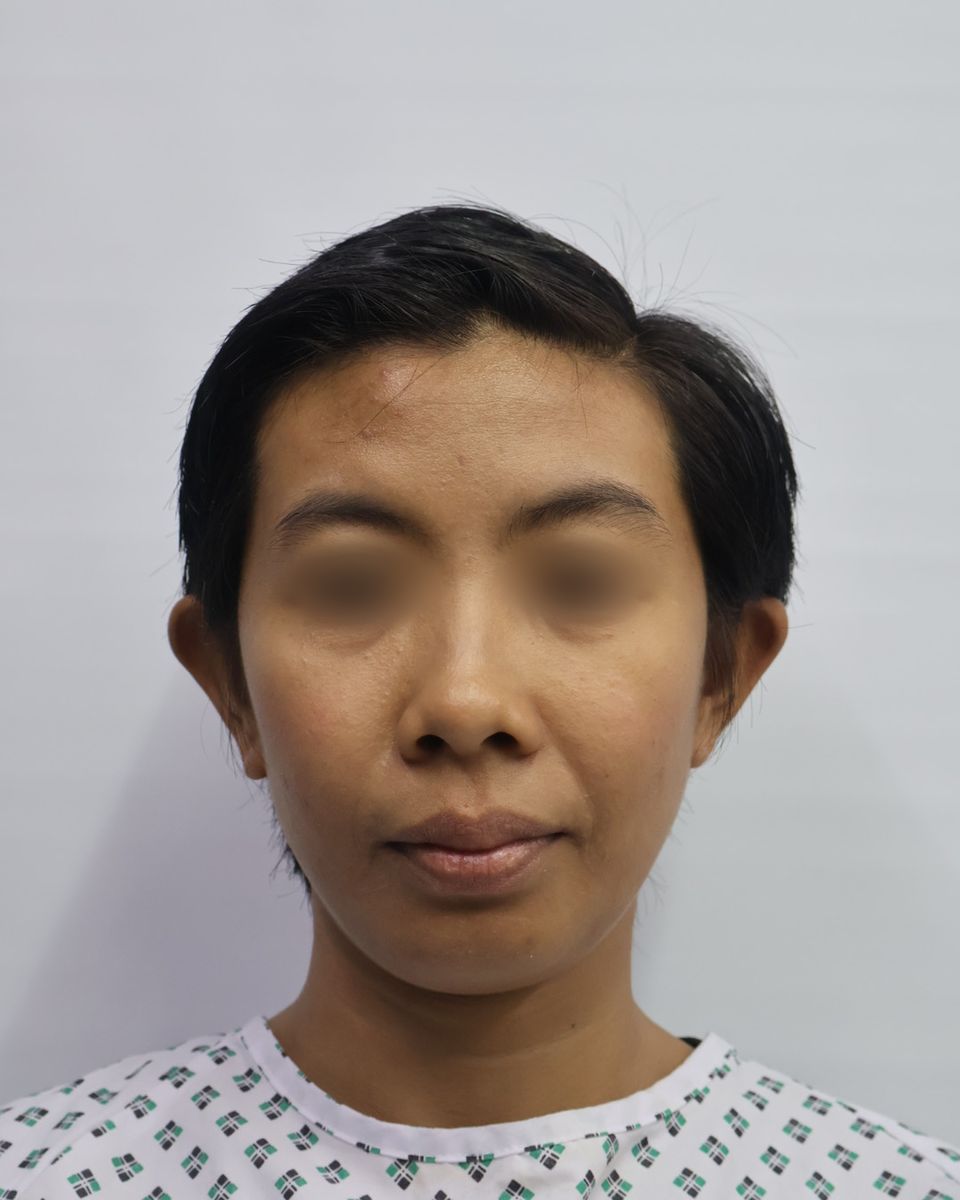
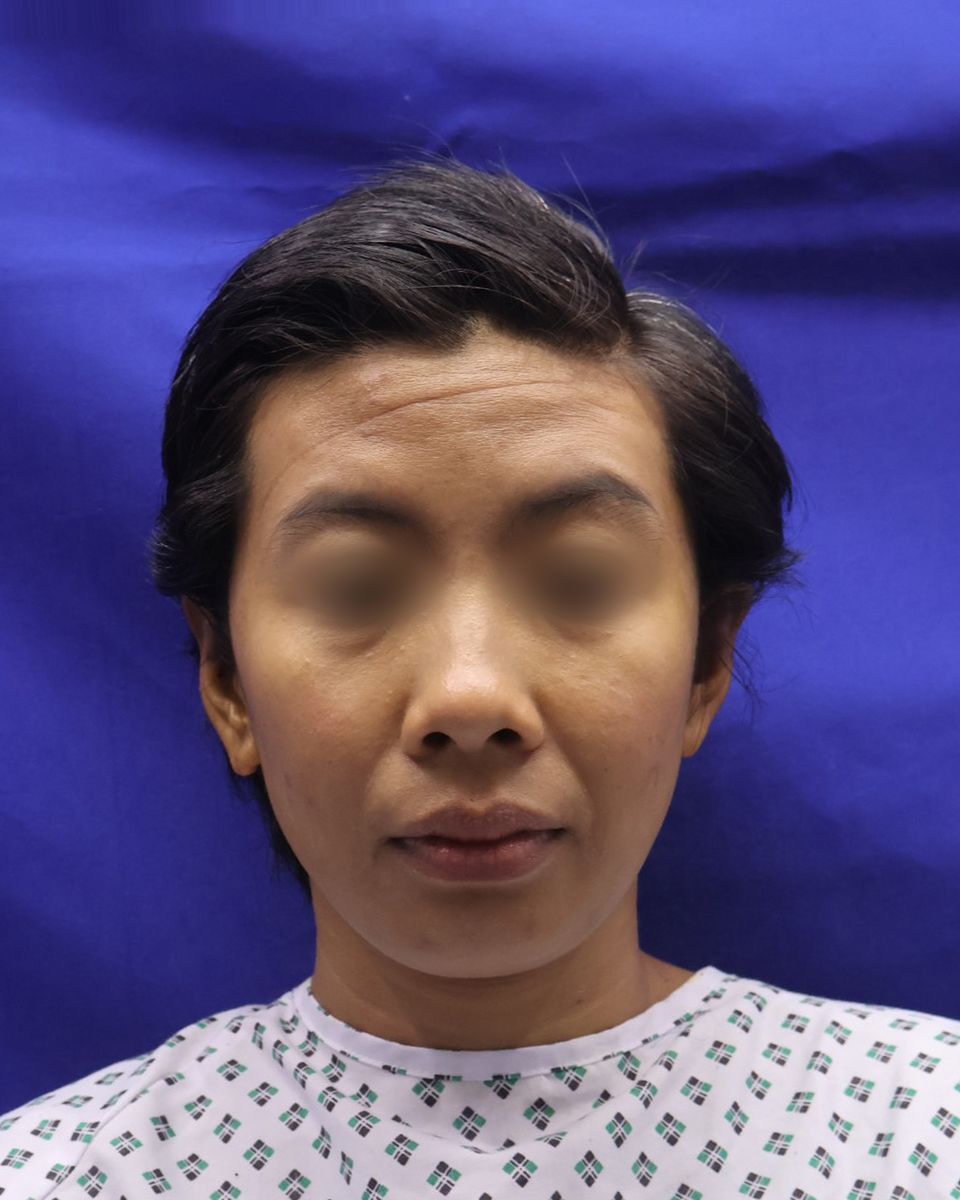 BeforeAfter
Drag across the photo to compare. Results vary from person to person.
Watch the procedure
This video shows real surgery, including blood and incisions. Tap play only if you are comfortable viewing it.
What to know
What is otoplasty?+
Otoplasty, often called ear pinning, reshapes the cartilage of the ear so that it sits closer to the head. It is commonly done for ears that stand out, for ears that are uneven in size or position, and for ears that bother the person every day.
Because the incision is usually made behind the ear, the scar is generally well hidden in the fold where the ear meets the head.
Who is it for?+
Otoplasty is for people who are bothered by the way their ears look and are in good general health. It can be done for teenagers and adults. Your surgeon will check that your ears are fully developed and that your expectations match what surgery can realistically do.
Tell us about any medical conditions, medicines, or allergies you have, and whether you smoke, during your consultation.
What happens during the procedure?+
Your surgeon makes a small incision, usually behind the ear, then reshapes and repositions the cartilage and secures it with stitches so the ear stays closer to the head. The skin is then closed.
The exact technique depends on the shape of your ears and what you want to change. The type of anesthesia is decided with you beforehand.
Recovery: what to expect+
Expect some swelling, bruising and tenderness at first. A bandage or soft headband is usually worn after surgery to protect the ears and hold them in their new position, and your surgeon will tell you how long to wear it.
Many people return to desk work or school within about a week, but everyone heals differently. Avoid contact sports and anything that could bend or hit the ears until your surgeon clears you, and sleep on your back or with your head raised if advised.
We give you clear do's and don'ts before surgery and check on you at follow-up visits.
Risks and things to know+
Every surgery has risks. With otoplasty these can include bleeding, infection, a blood collection under the skin, changes in skin feeling around the ear, visible scarring, a slight difference between the two ears, or the ears moving back out over time. Your surgeon will go through these with you in person.
Results are different for everyone. The photos on this page are from one patient and are not a promise of your own result.
Questions to bring to your consultation+
How should my ears look after surgery, and what is realistic for me? What kind of anesthesia will I have? How long will I need to wear the headband, and when can I go back to work or school? What should I avoid before surgery?
This page is general information, not medical advice. Your surgeon will talk about your own situation during your consultation.
Interested in otoplasty?
Request a consultation and our team will confirm your schedule by text or email.
Book a consultation