← All services

Procedure guide

FTM Top Surgery

Chest masculinization surgery, planned around your body.

FTM top surgery removes breast tissue and reshapes the chest into a flatter, more masculine contour. There is more than one way to do it. Below you can watch the procedure, see how each approach works, and browse patients from our clinic.

Type
Surgical
Approaches
Double incision, periareolar, keyhole
Done as
Planned with your surgeon
Next step
A consultation with your surgeon
Book a consultation

The background video shows real surgery.

Watch the procedure

This video shows real surgery, including incisions. Some areas are pixelated. Tap play only if you are comfortable viewing it.

Patient collection

Three approaches, and real patients for each. Your surgeon recommends the one that suits your chest size, skin and goals. Nipples are pixelated for privacy, and photos are shared with each patient's permission.

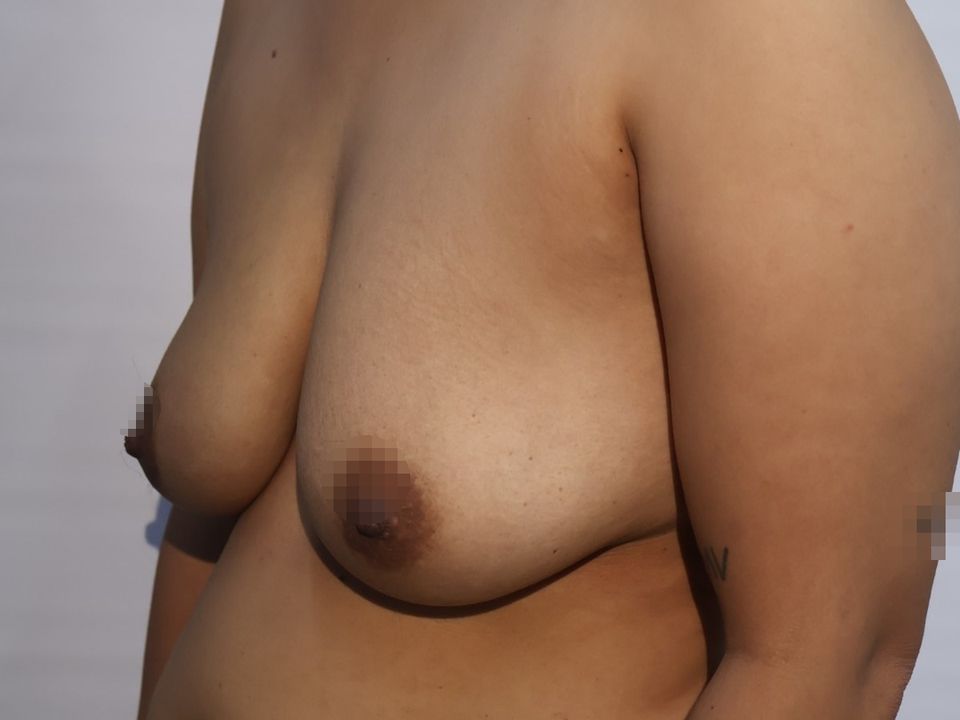
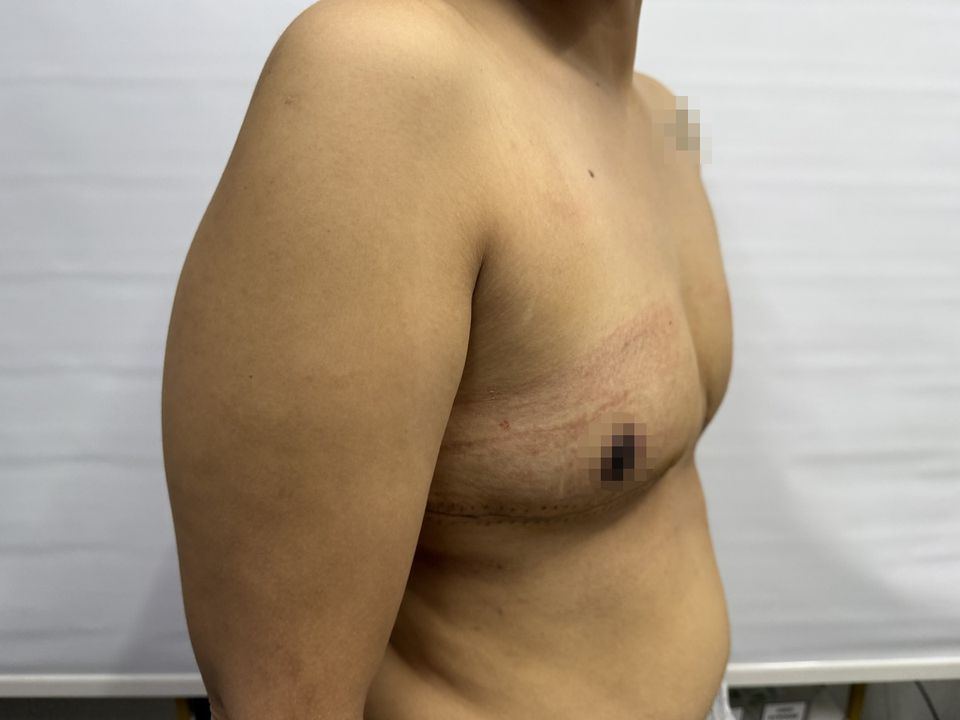
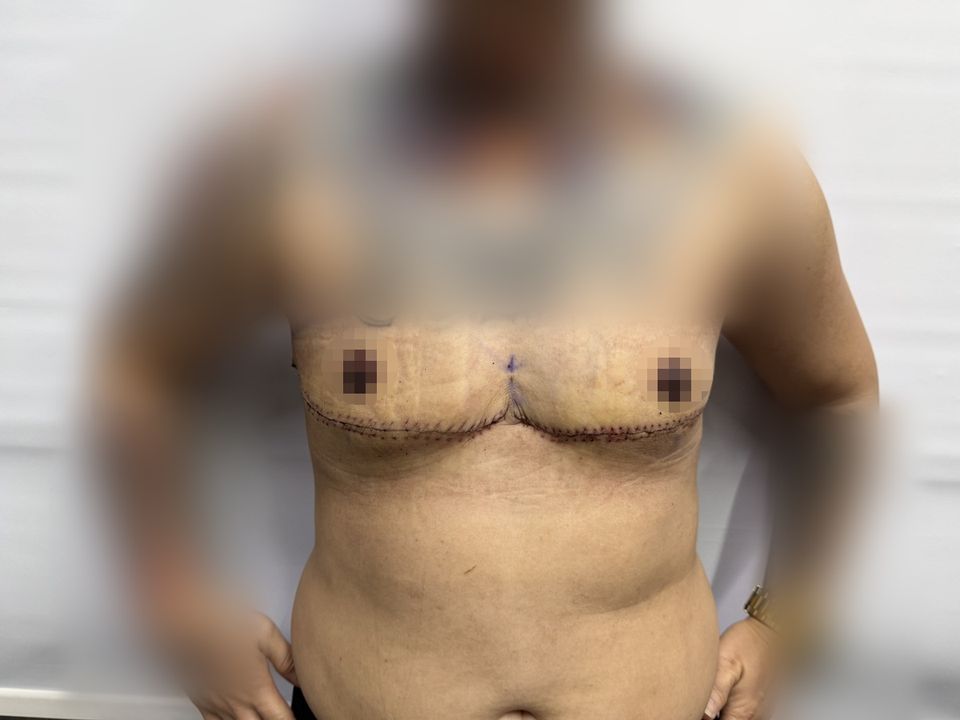
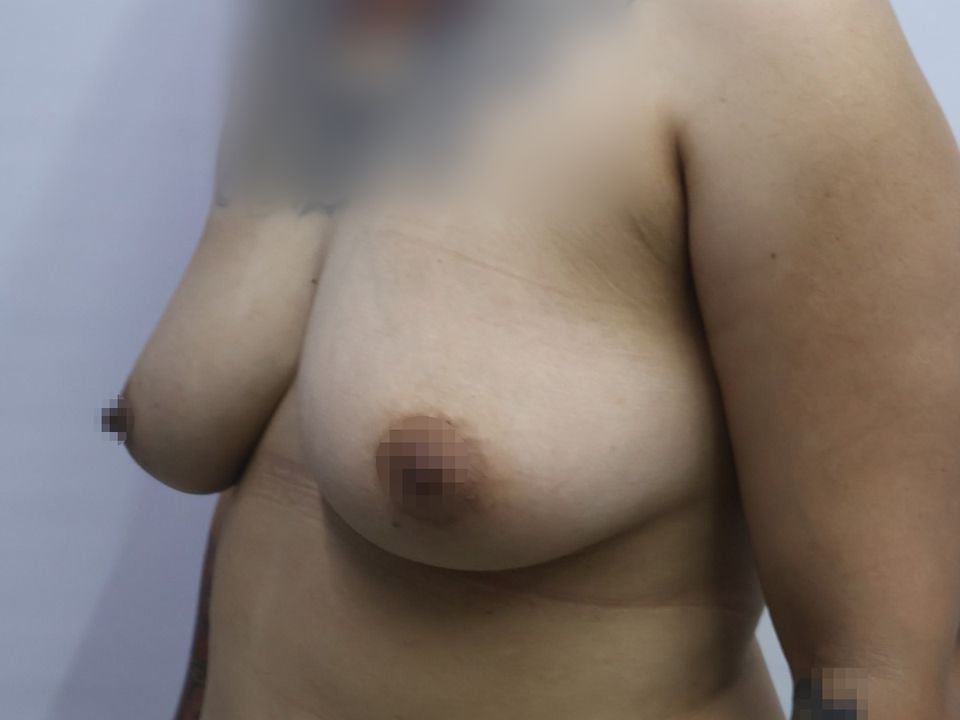
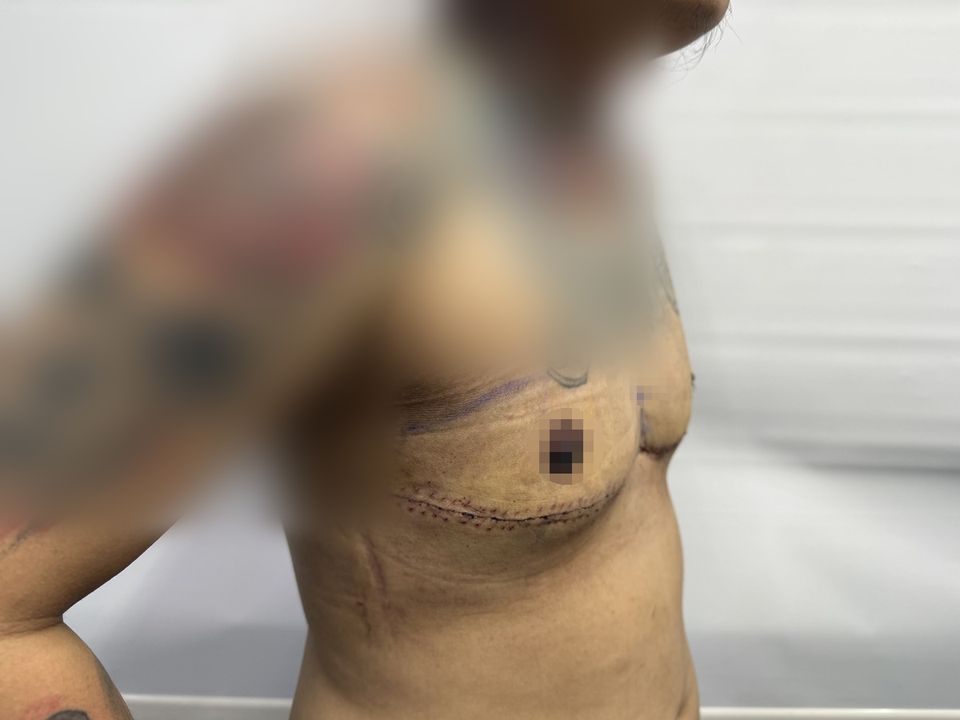
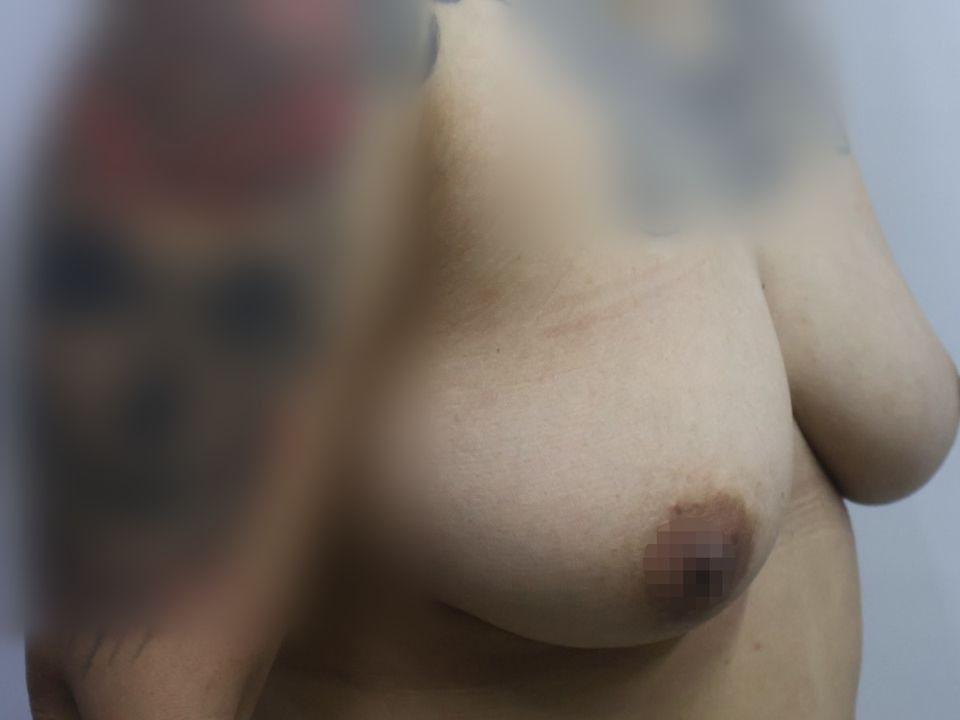
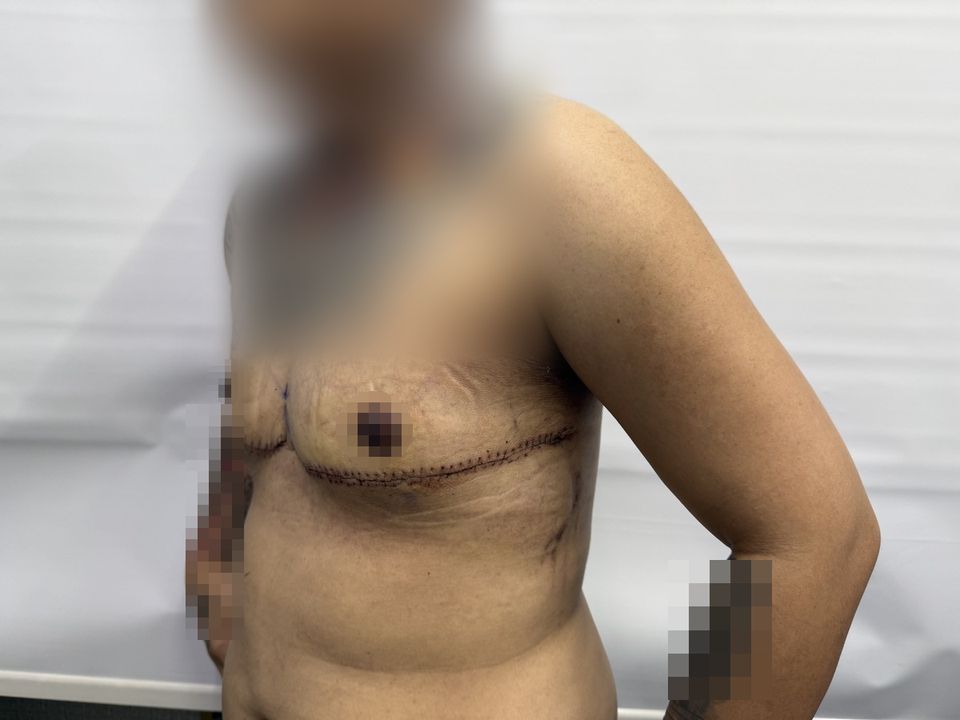
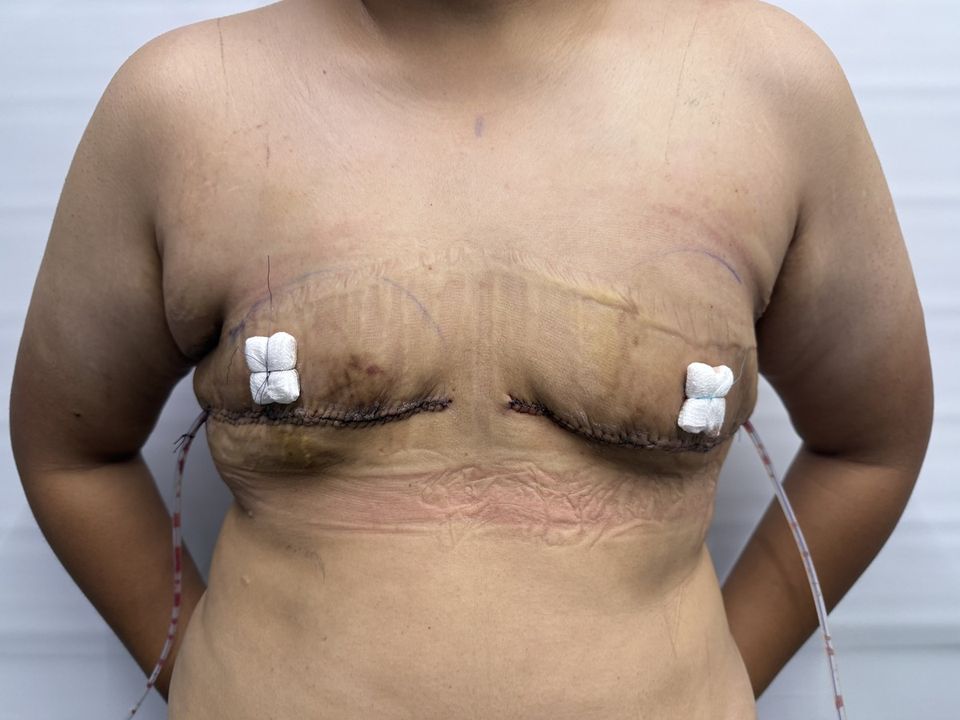
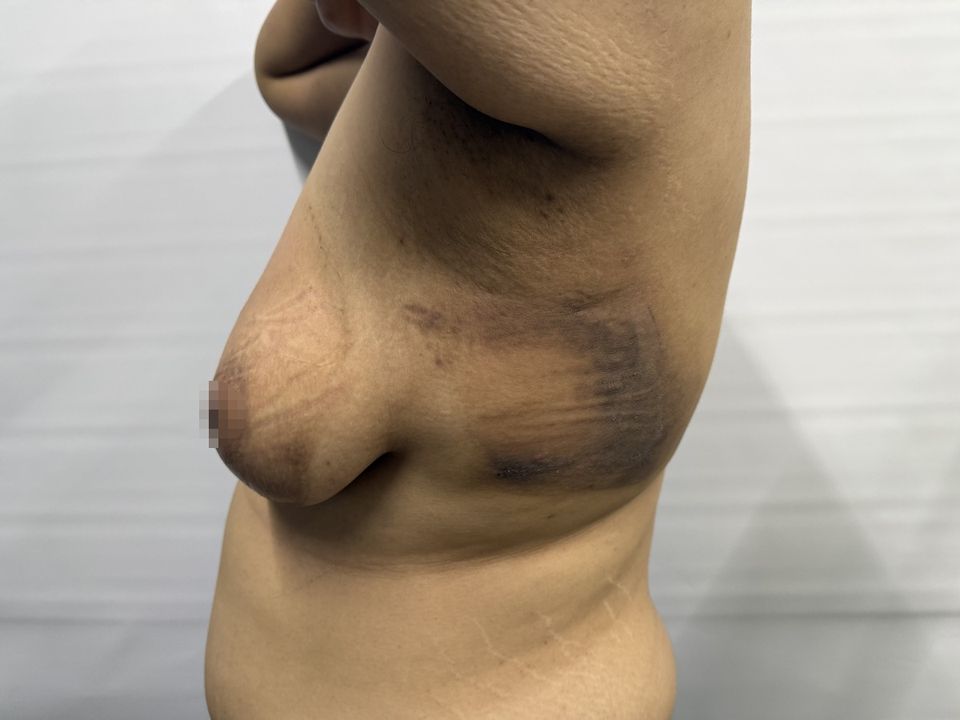
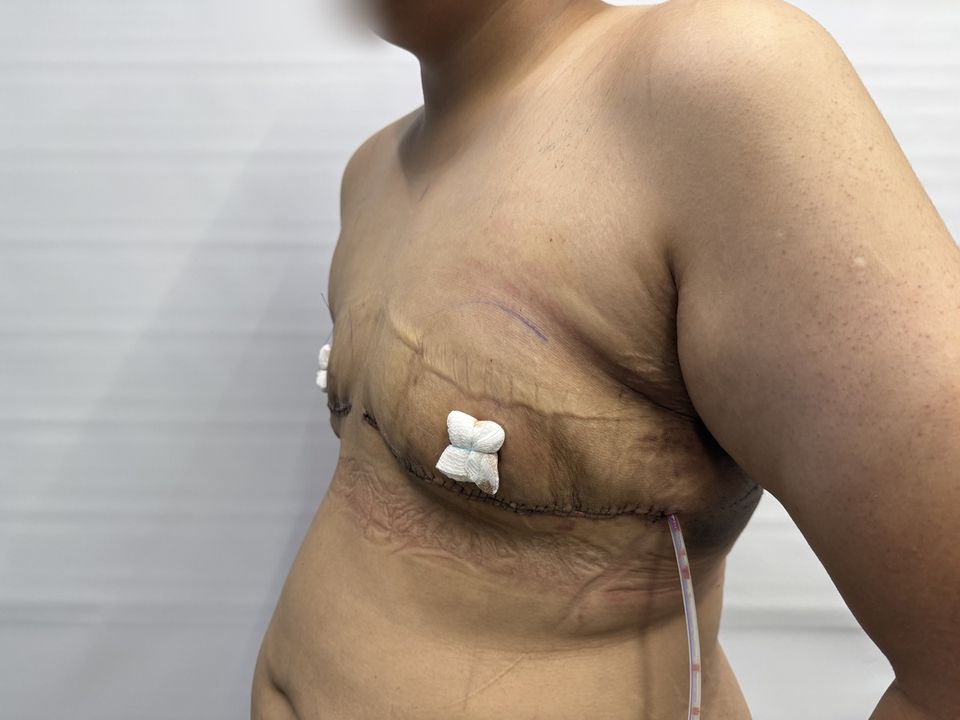
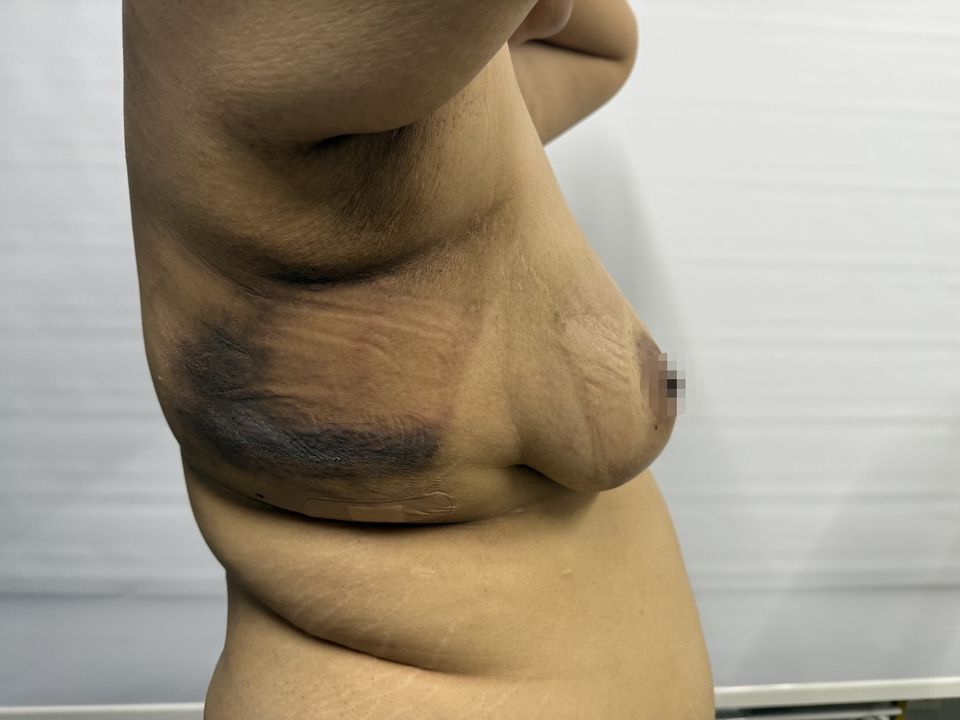
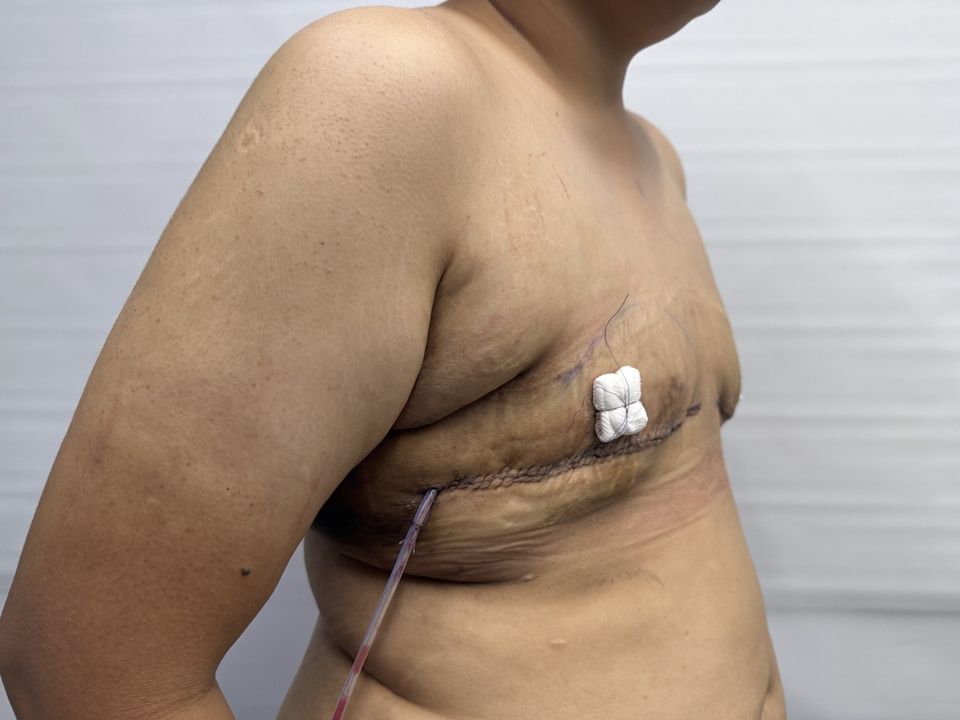
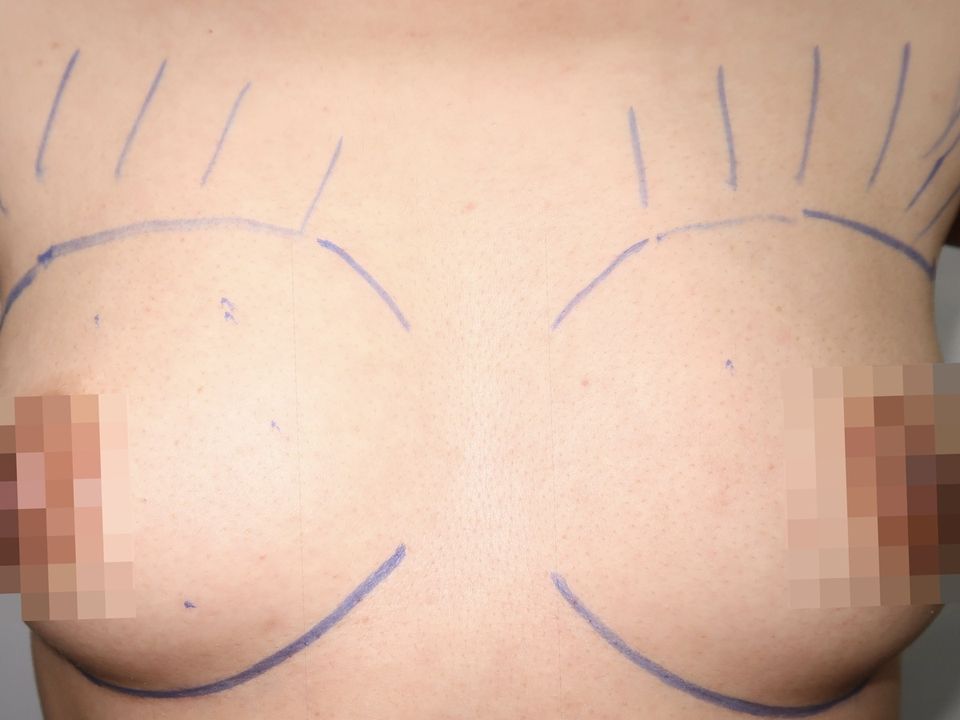
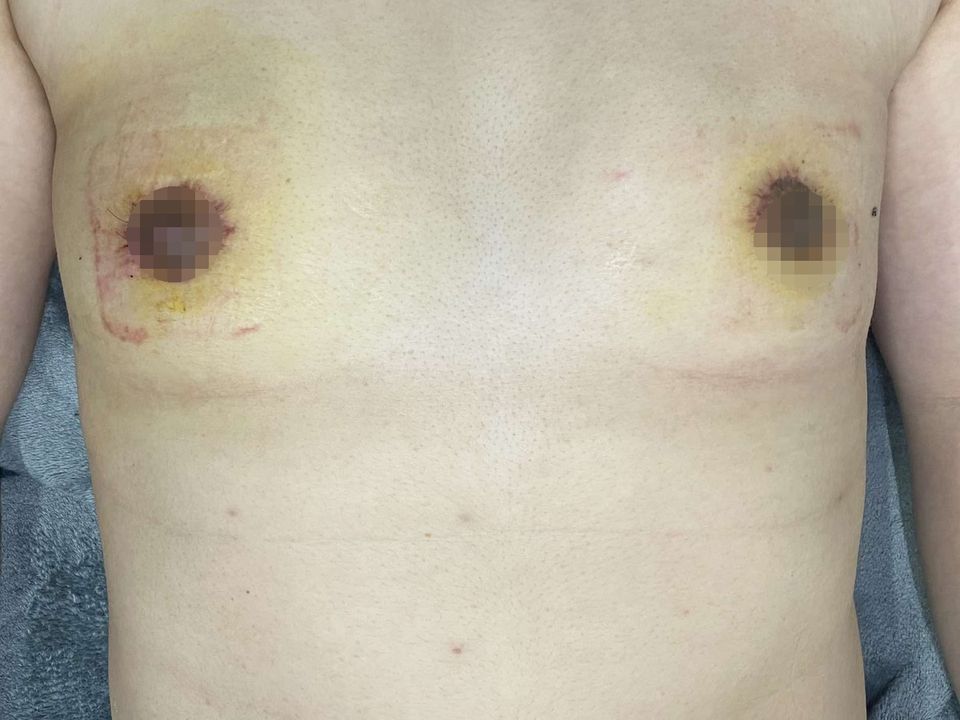
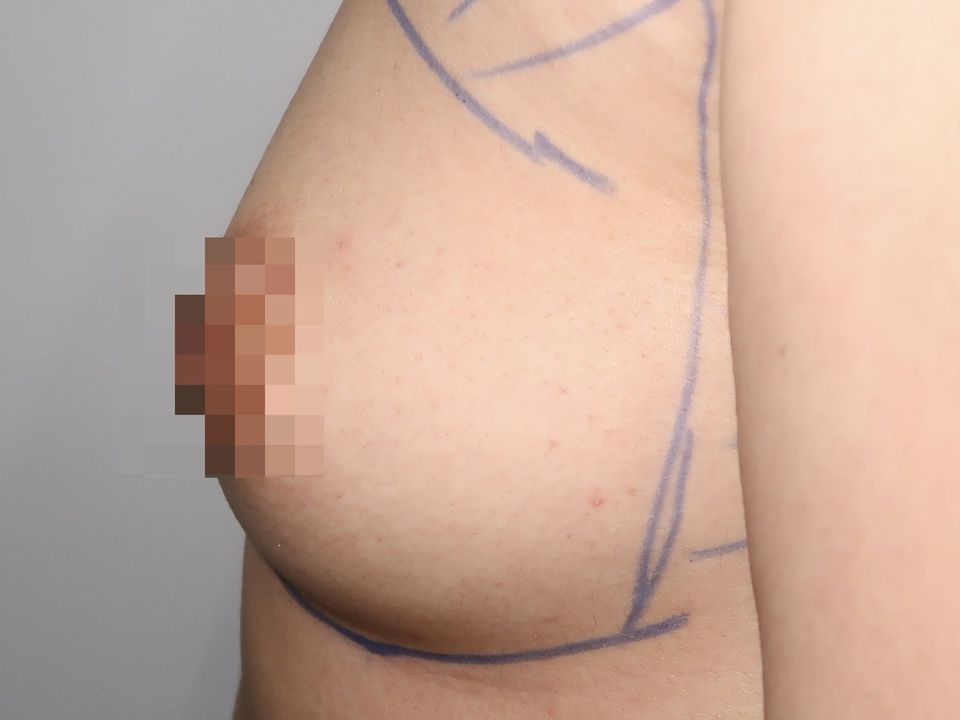
Double incision approach

For medium to larger chests, or when there is extra skin.

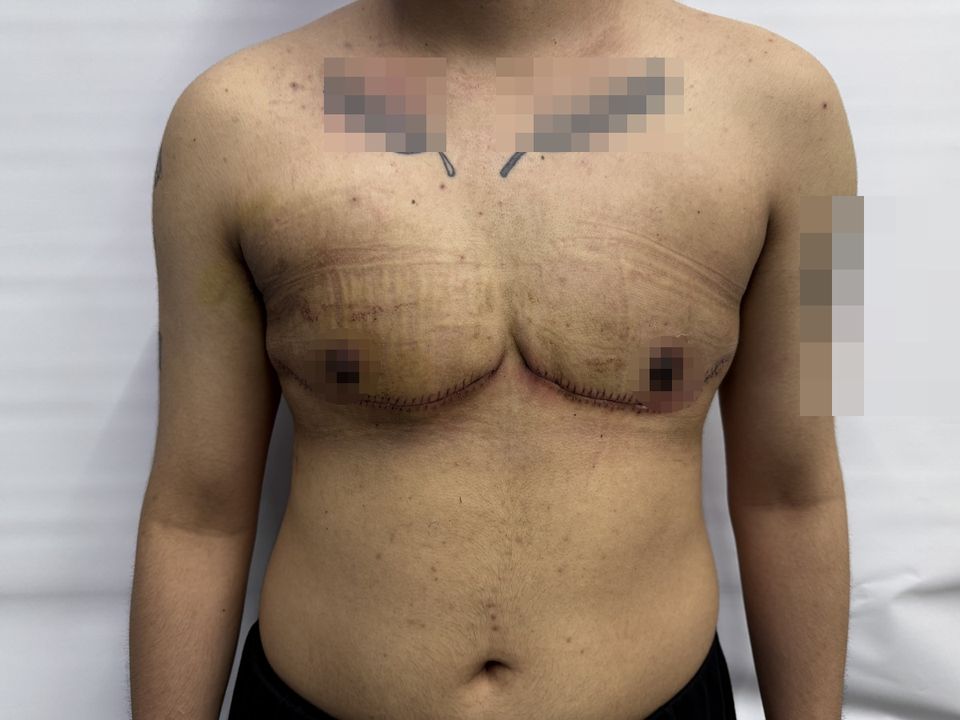
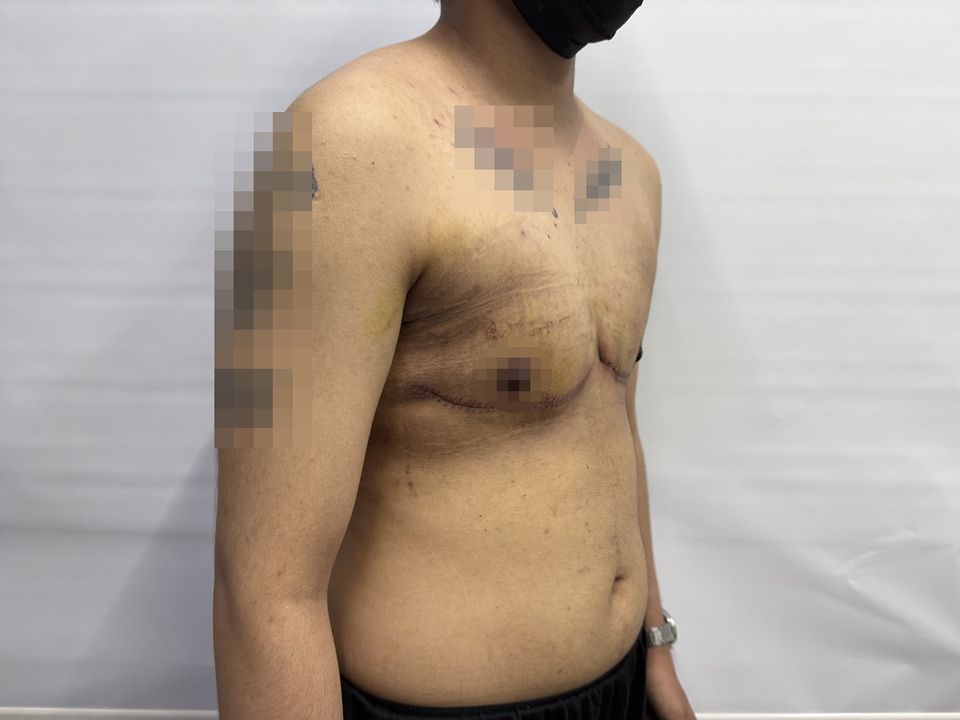
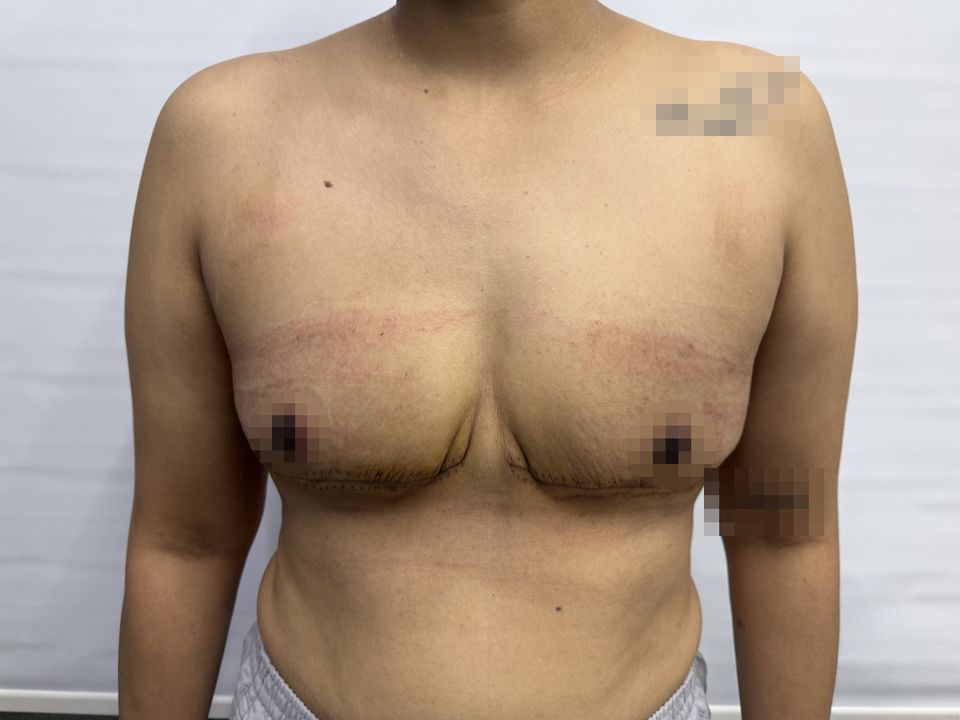
Breast tissue and extra skin are removed through two horizontal incisions along the lower edge of the chest. The nipple-areola complex is usually removed, resized and moved higher on the chest as a graft, so it sits where it should on a masculine chest.

It gives the flattest contour when there is a lot of tissue or skin to take out. Drains are commonly placed to prevent fluid build-up while you heal.

Often suits
Medium to large chests, or less elastic skin
Scars
Horizontal scars across the lower chest
View 5 patients

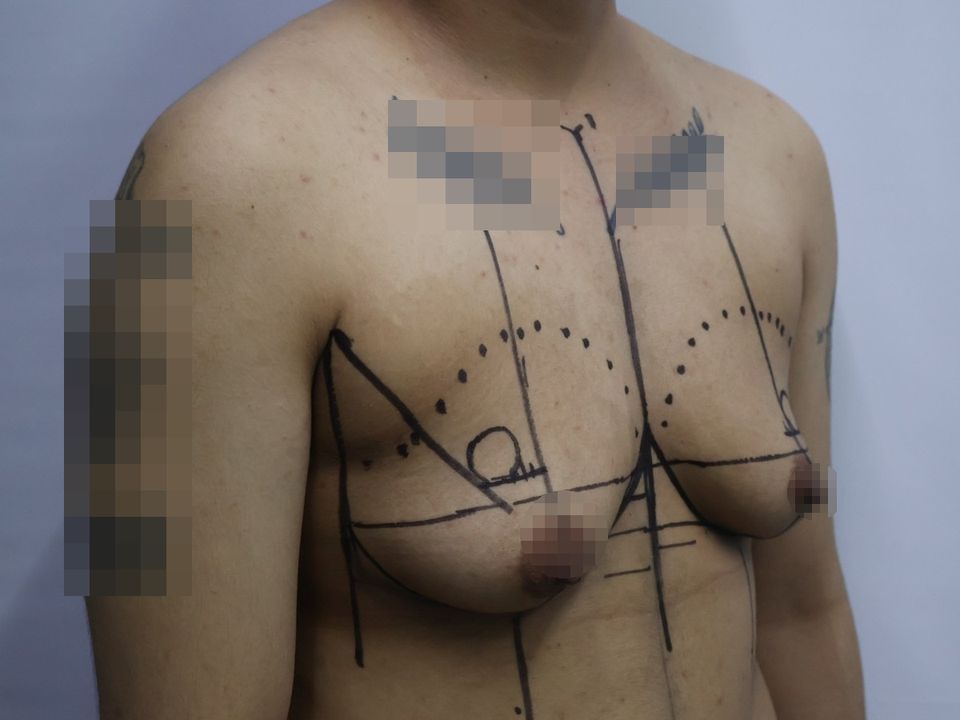
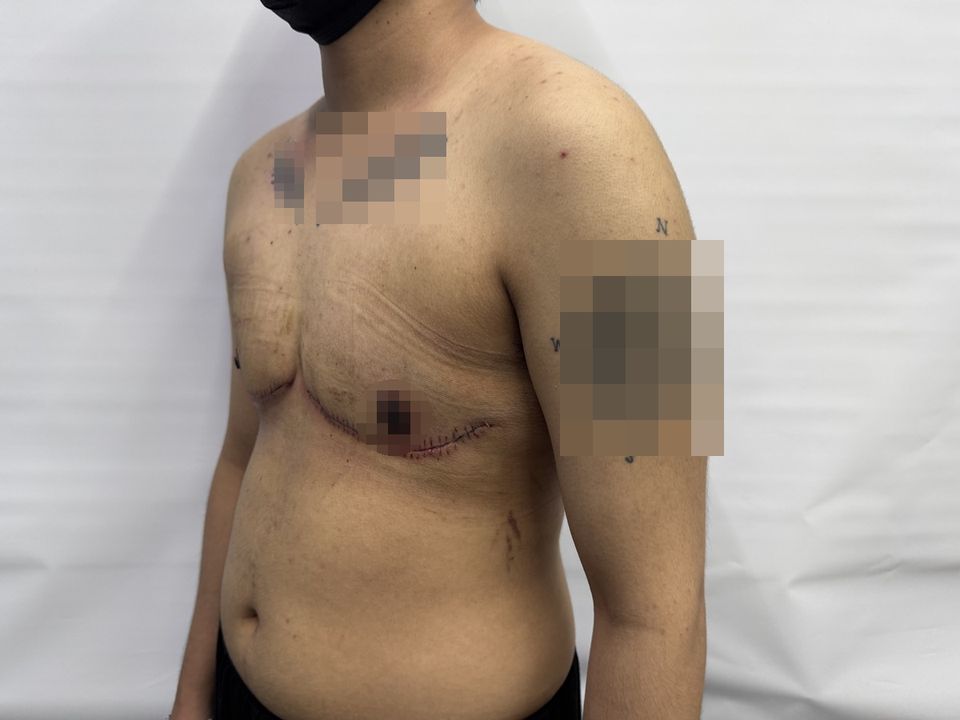
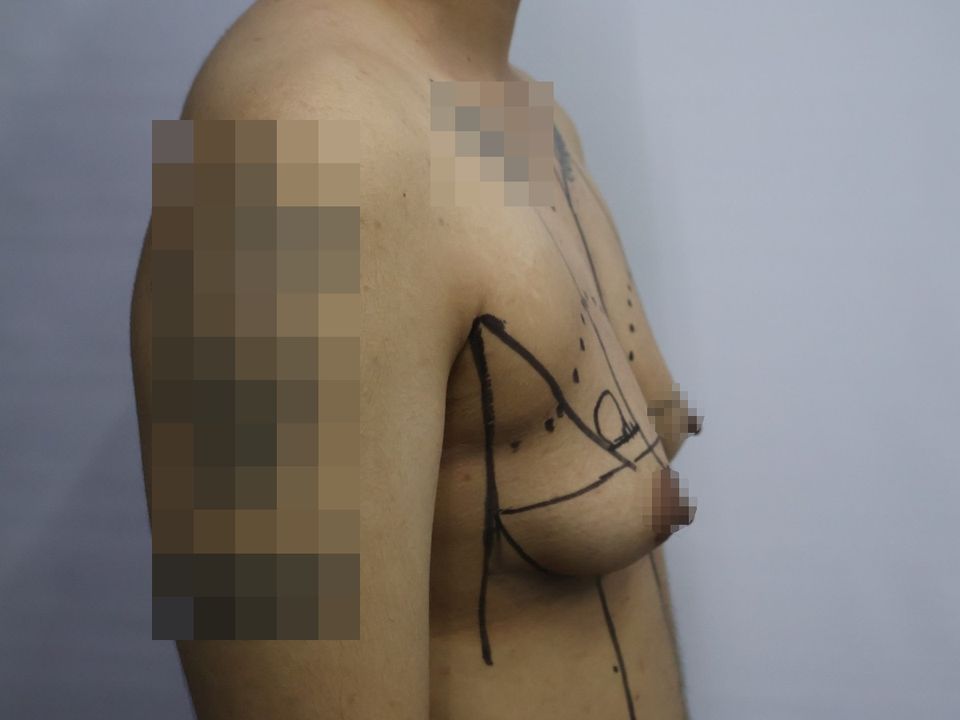
Patient 2 · Double incision, 3 weeks after surgery

Front view
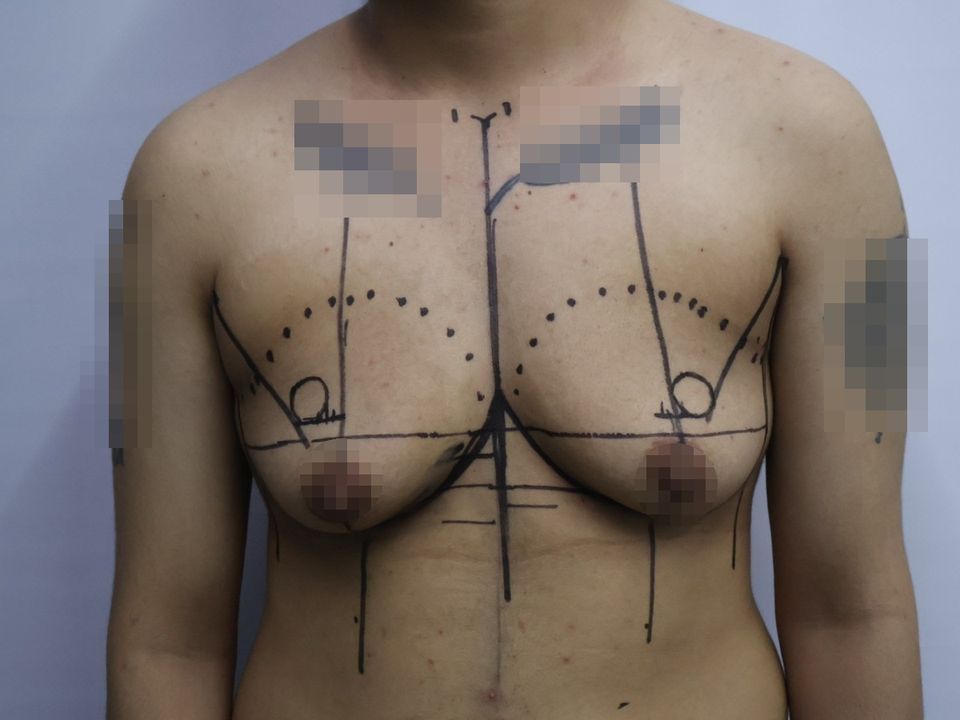
Patient 2 chest before top surgery
Before
Patient 2 chest after top surgery
3 weeks after

Angled view

Patient 2 chest before top surgery, angled view
Before
Patient 2 chest after top surgery, angled view
3 weeks after

Side view

Patient 2 chest before top surgery, side view
Before
Patient 2 chest after top surgery, side view
3 weeks after

Patient 3 · Double incision

Front view
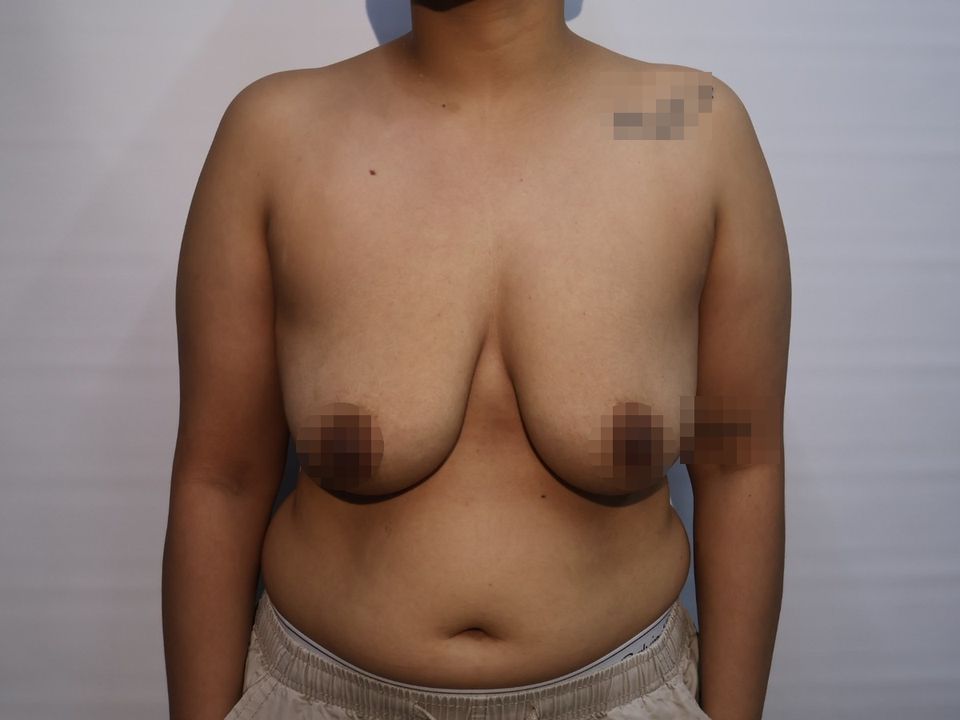
Patient 3 chest before top surgery
Before
Patient 3 chest after top surgery
After

Angled view

Patient 3 chest before top surgery, angled view
Before
Patient 3 chest after top surgery, angled view
After

Side view

Patient 3 chest before top surgery, side view
Before
Patient 3 chest after top surgery, side view
After

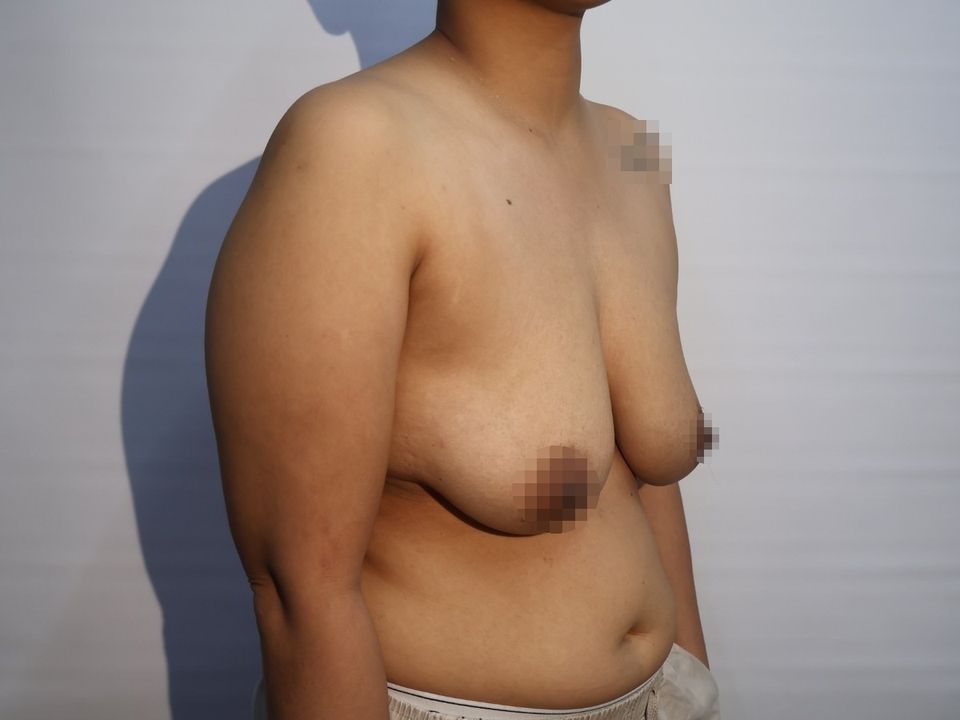
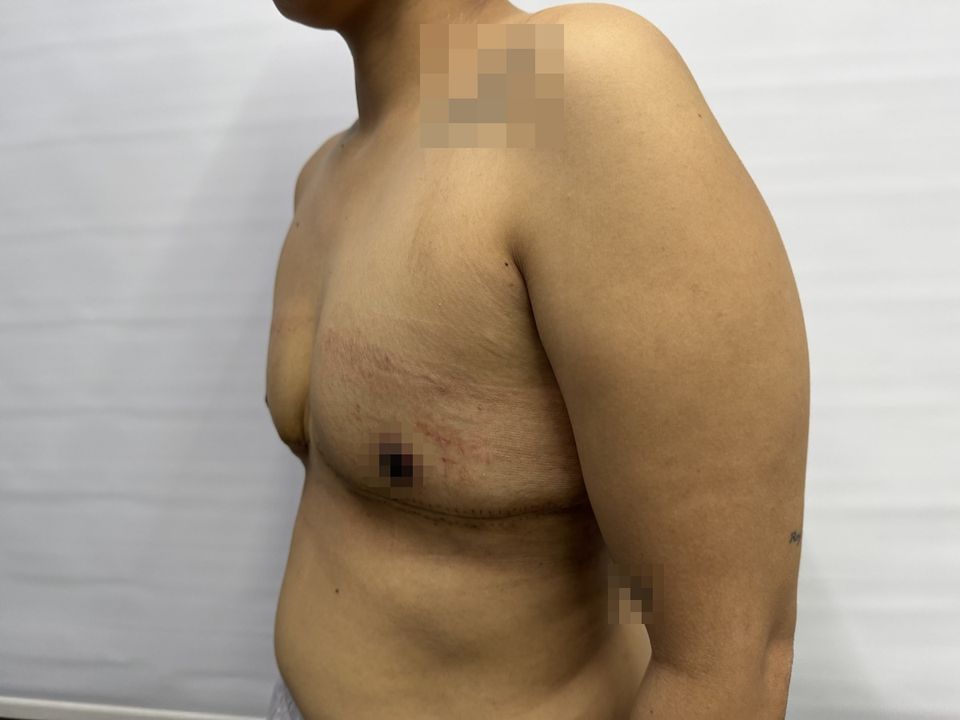
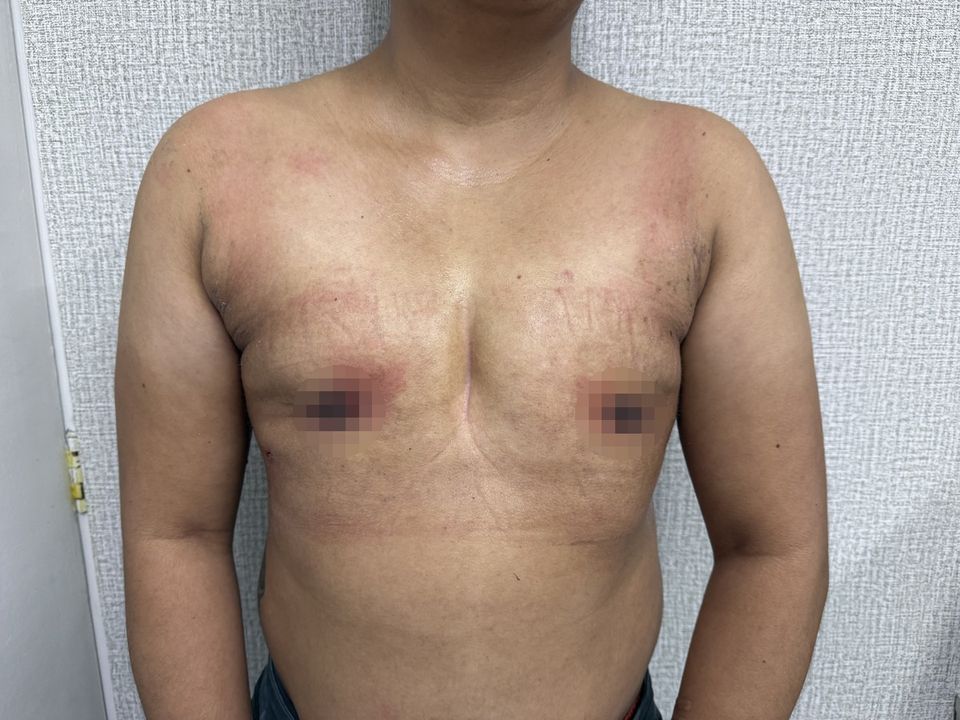
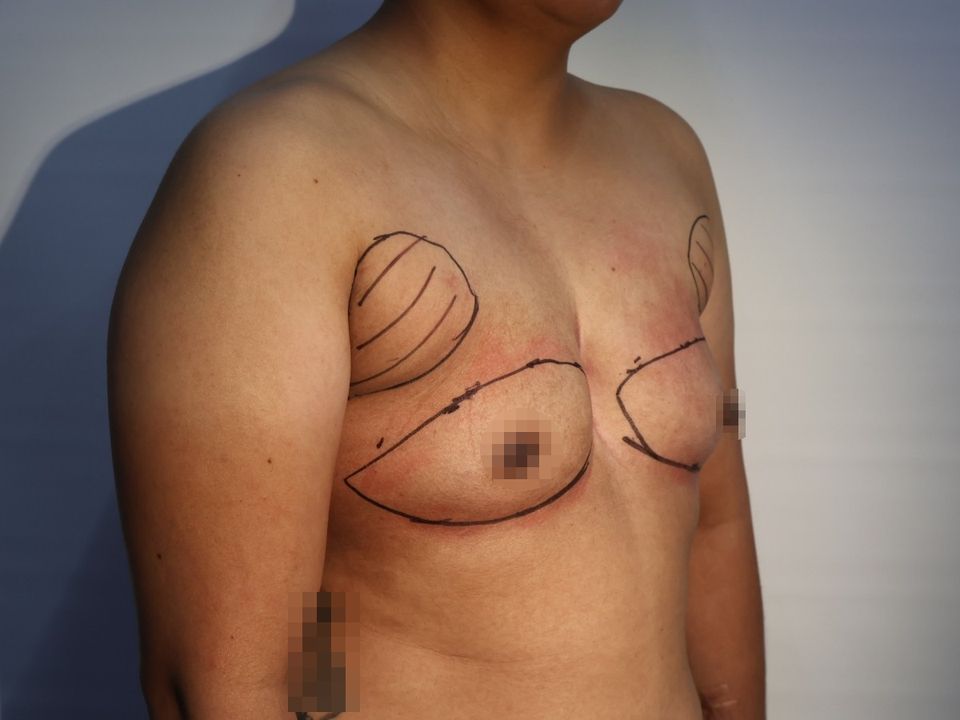
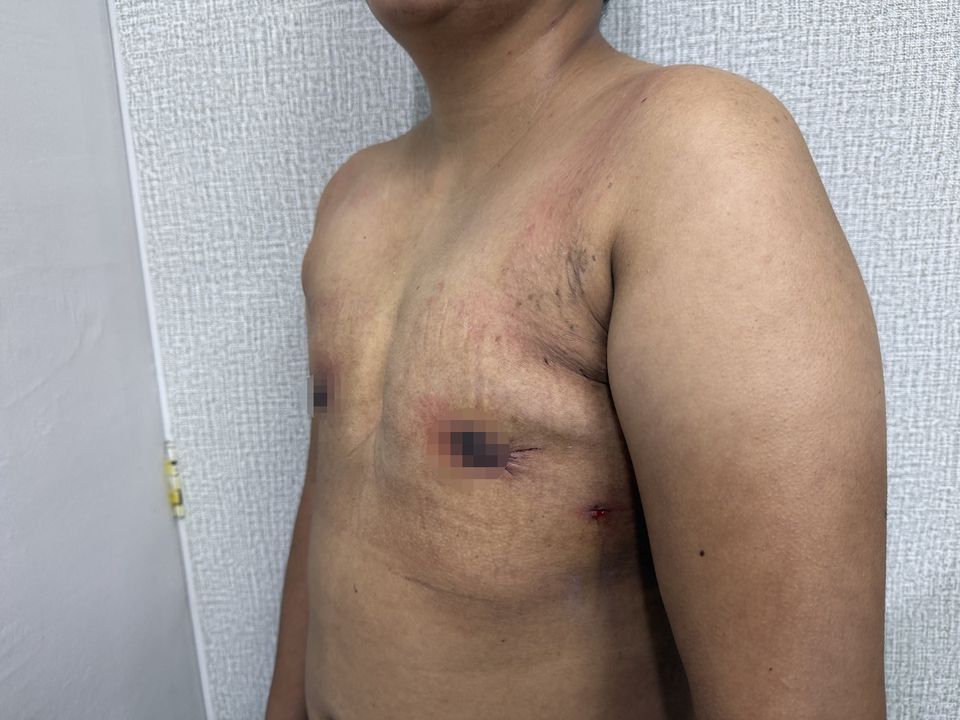
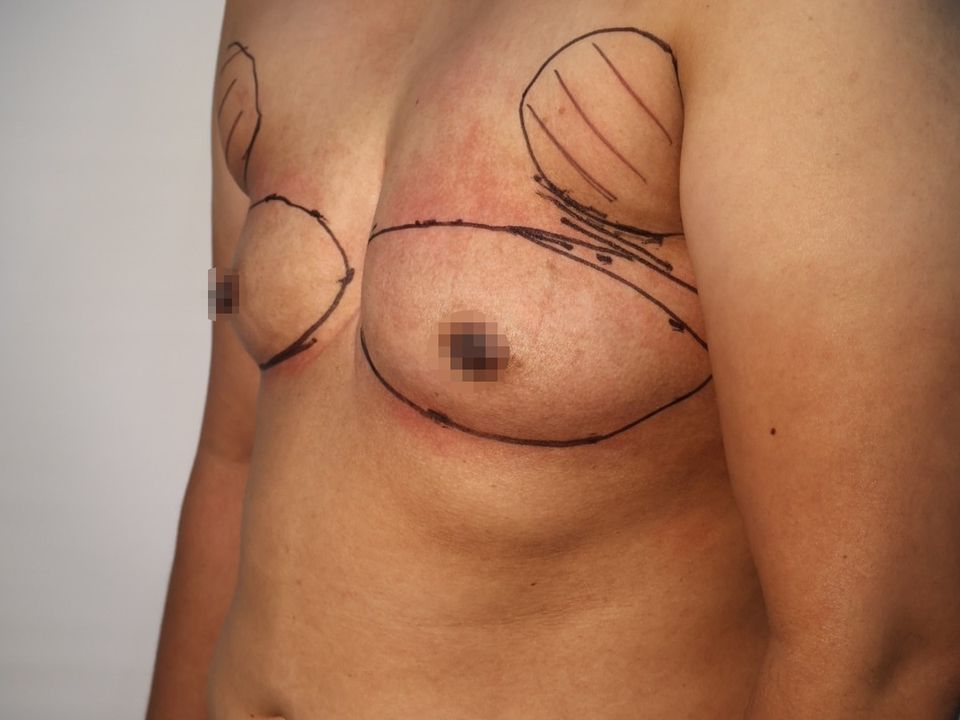
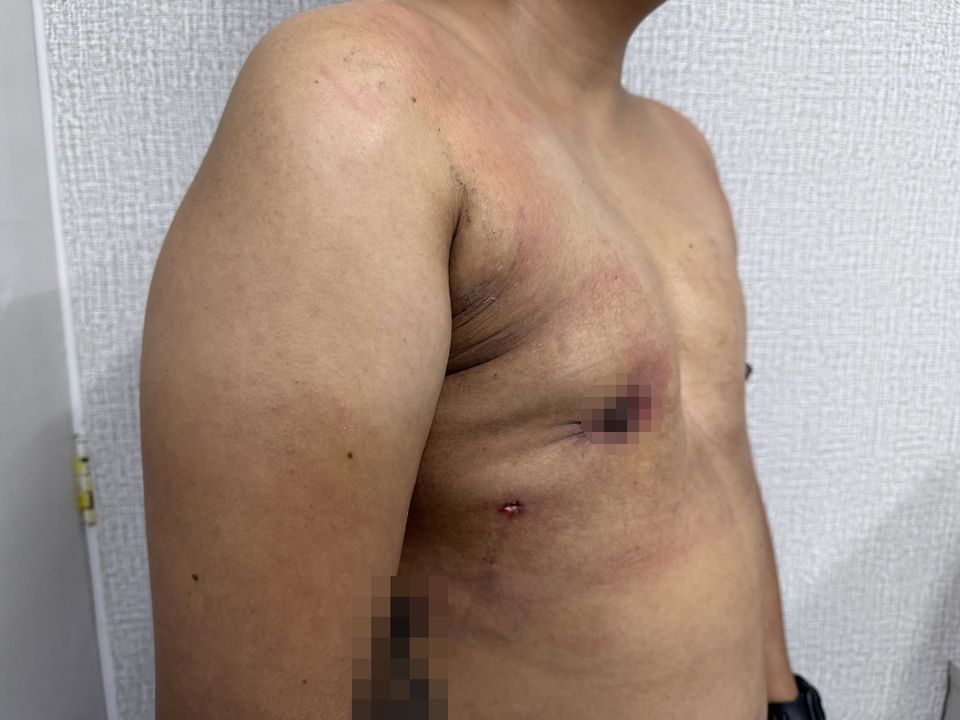
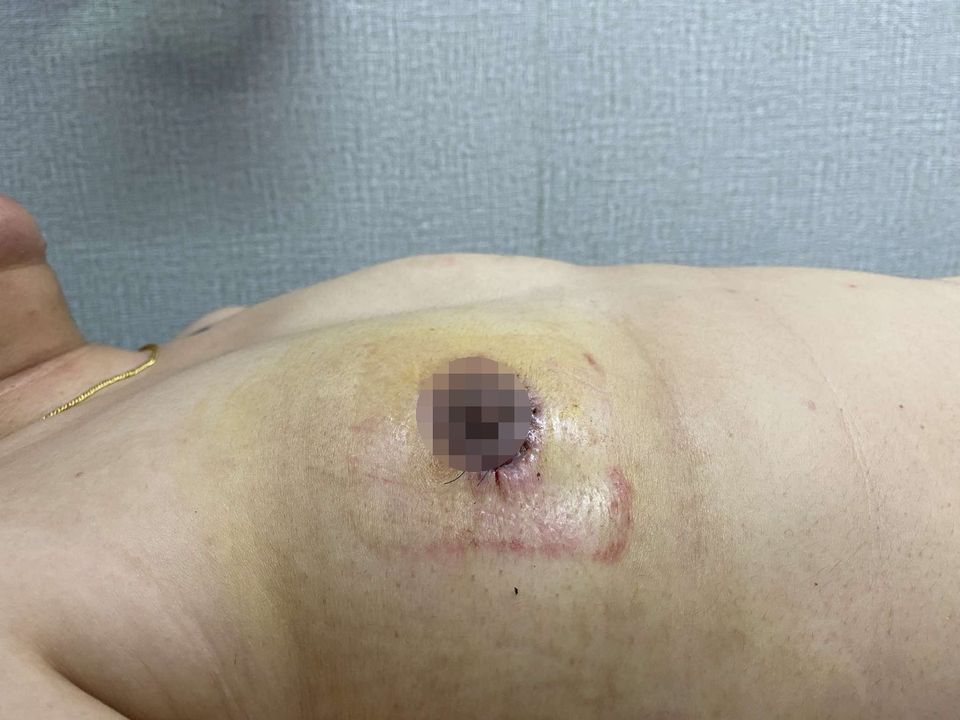
Patient 4 · Double incision, 1 week after the JP drain was removed. Swelling is still noticeable.

Front view
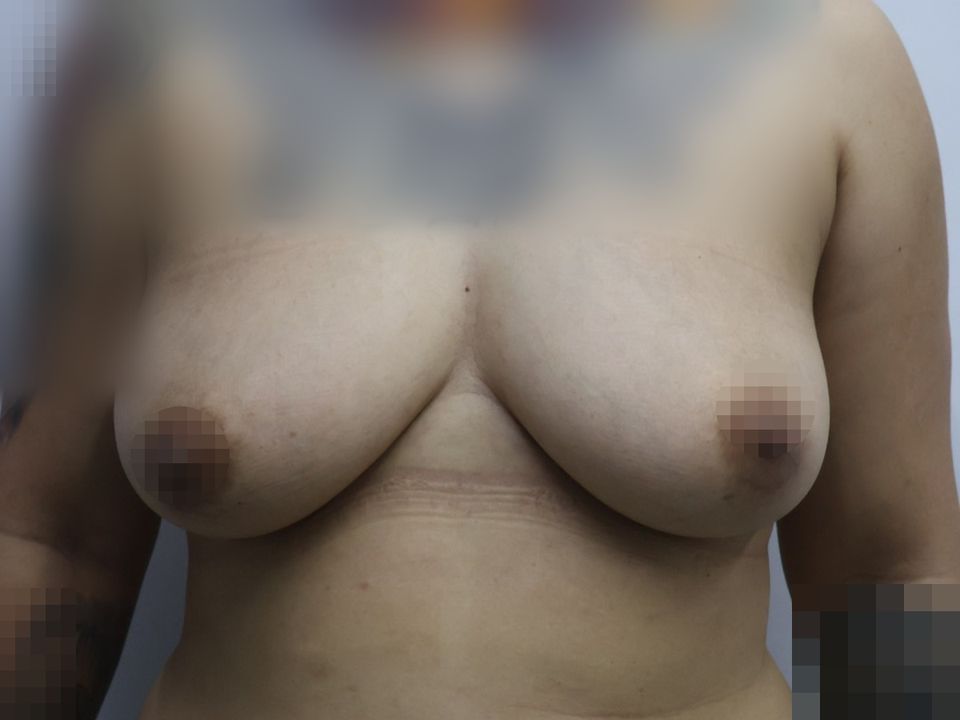
Patient 4 chest before top surgery
Before
Patient 4 chest after top surgery
1 week after drain removal

Angled view

Patient 4 chest before top surgery, angled view
Before
Patient 4 chest after top surgery, angled view
1 week after drain removal

Side view

Patient 4 chest before top surgery, side view
Before
Patient 4 chest after top surgery, side view
1 week after drain removal

Patient 5 · Double incision, 3 days after surgery. Drains and dressings are still in place.

Front view
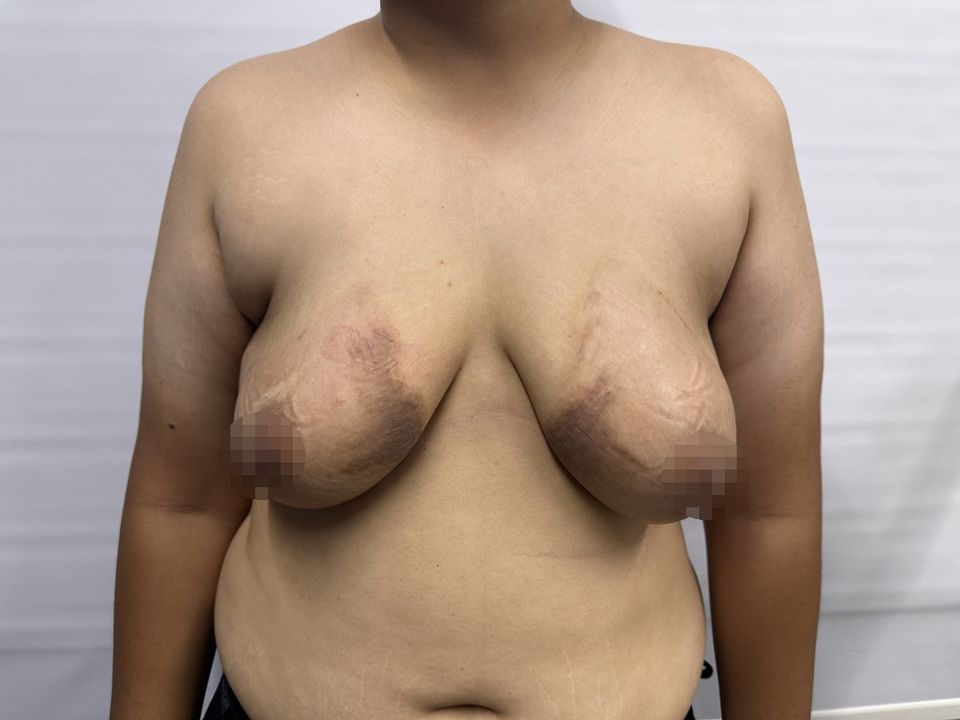
Patient 5 chest before top surgery
Before
Patient 5 chest after top surgery
3 days after

Angled view

Patient 5 chest before top surgery, angled view
Before
Patient 5 chest after top surgery, angled view
3 days after

Side view

Patient 5 chest before top surgery, side view
Before
Patient 5 chest after top surgery, side view
3 days after

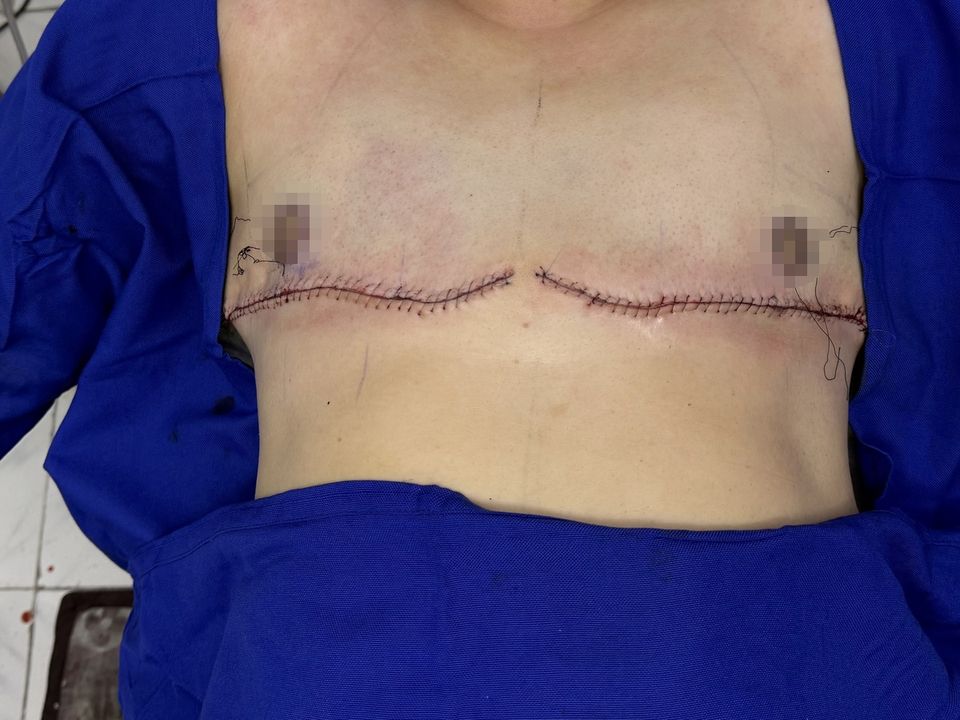
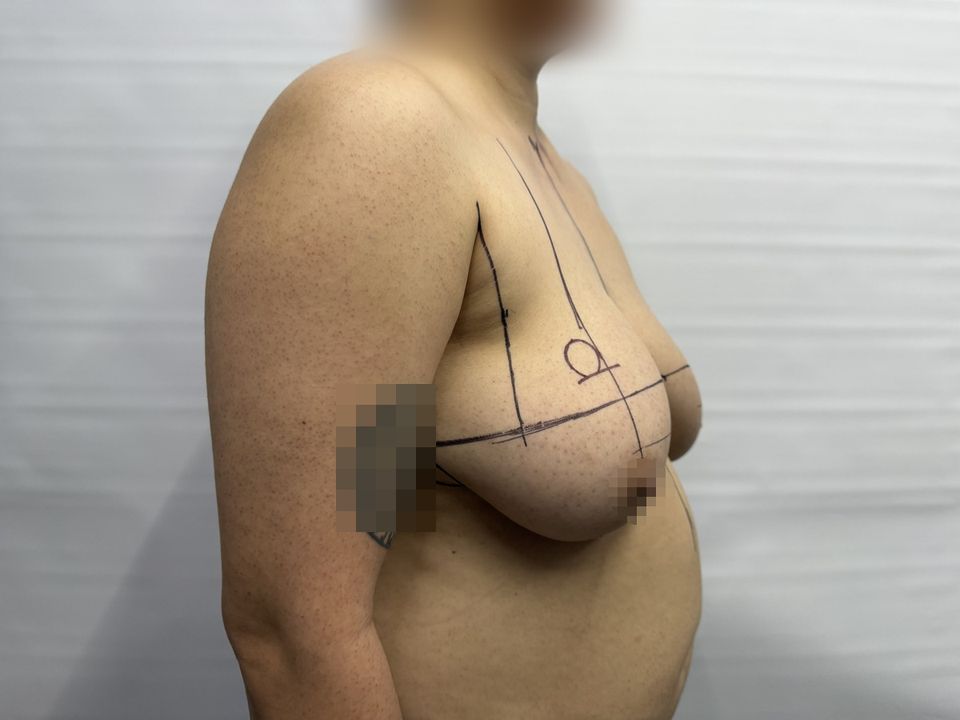
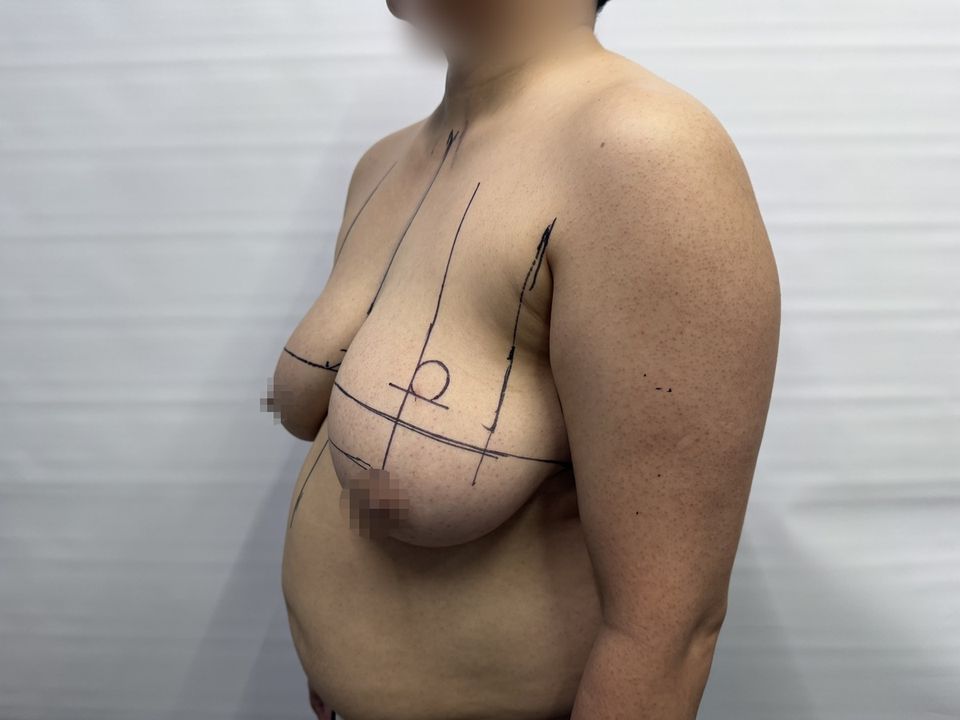
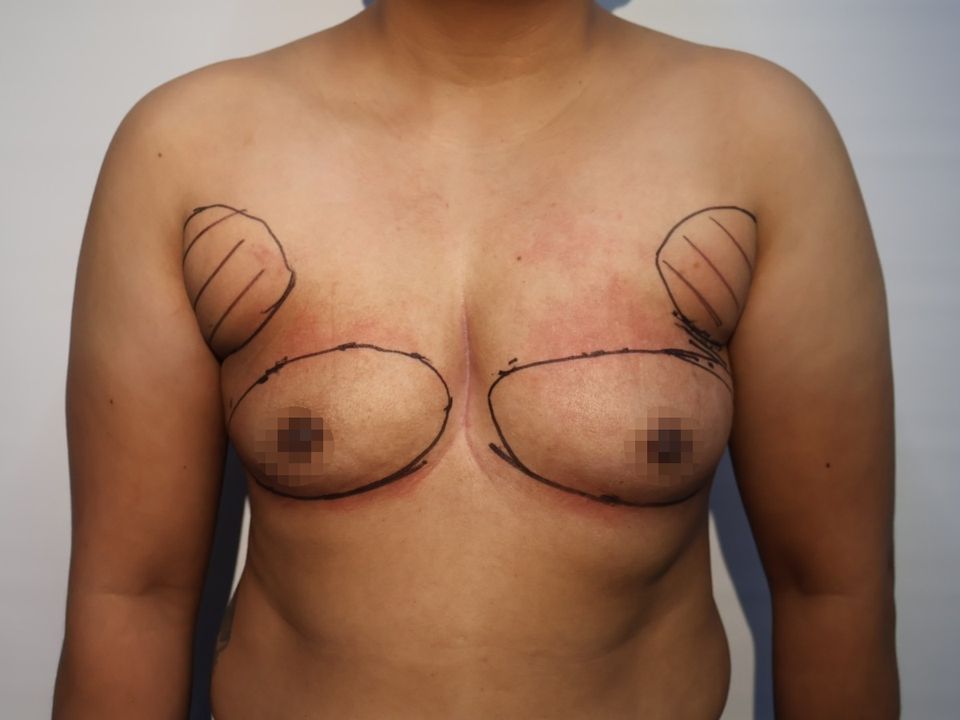
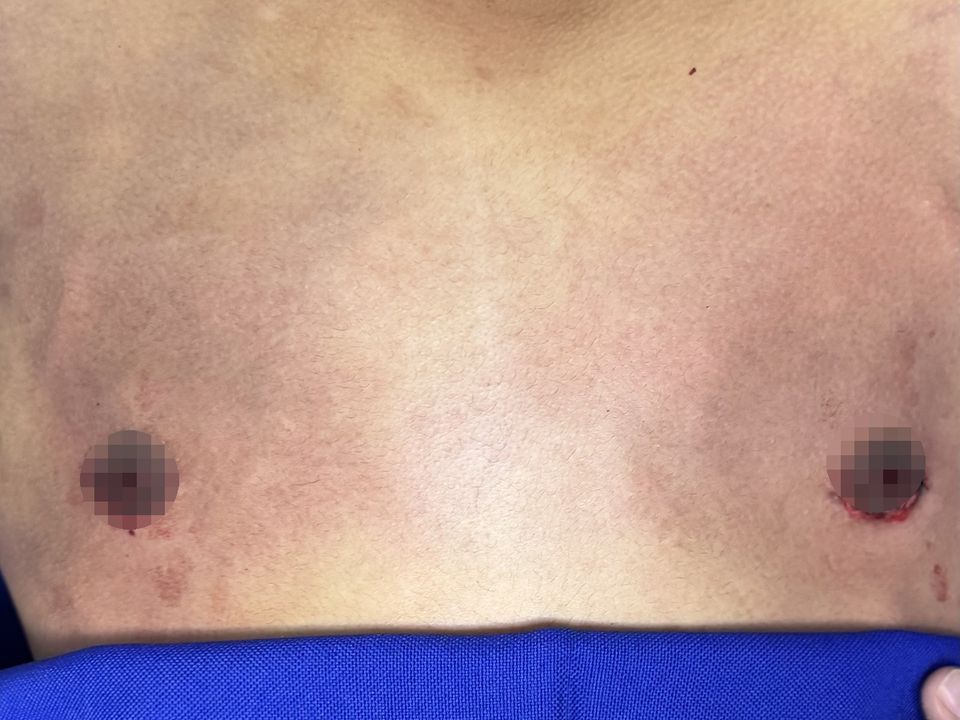
Patient 7 · Double incision. The after photo was taken in the operating room right after surgery.

Front view
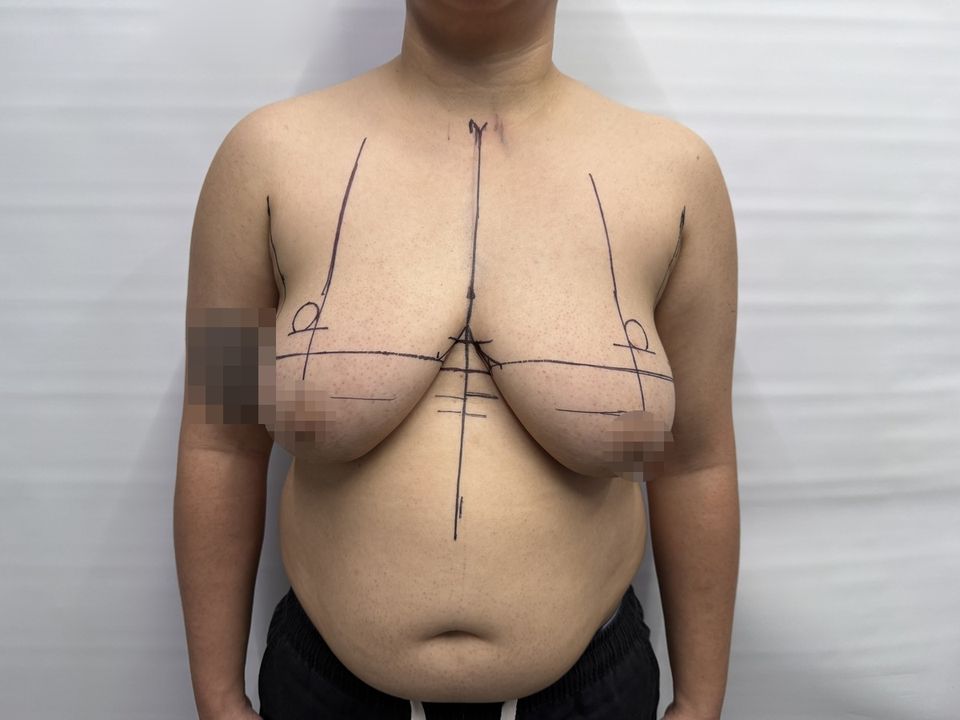
Patient 7 chest before top surgery
Before
Patient 7 chest after top surgery
Right after surgery

Angled view

Patient 7 chest before top surgery, angled view
Before

Side view

Patient 7 chest before top surgery, side view
Before

Periareolar approach

For smaller chests with good skin elasticity.

The incision follows the edge of the areola, so most of the scar is hidden around the nipple. Breast tissue is removed through it, and liposuction can be added to refine the contour.

Because the incision is small, it works best when there is little extra skin. If there is more skin than the skin can tighten around, another approach may give a better result.

Often suits
Small to moderate chests with good skin elasticity
Scars
Around the edge of the areola
View 2 patients

Patient 1 · Periareolar with liposuction

Front view

Patient 1 chest before FTM top surgery
Before
Patient 1 chest after top surgery
After

Angled view

Patient 1 chest before FTM top surgery, angled view
Before
Patient 1 chest after top surgery, angled view
After

Side view

Patient 1 chest before FTM top surgery, side view
Before
Patient 1 chest after top surgery, side view
After

Patient 6 · Periareolar

Front view

Patient 6 chest before top surgery
Before
Patient 6 chest after top surgery
After

Side view and close-up

Patient 6 chest before top surgery, side view and close-up
Before
Patient 6 chest after top surgery, side view and close-up
After

Keyhole approach

For small chests with very little extra skin.

A small incision is made at the lower edge of the areola, and the breast tissue is removed through that small opening, often together with liposuction. The nipple stays attached to its own blood supply.

It leaves the least scarring, but it only suits chests with little tissue and skin that will tighten on its own.

Often suits
Small chests with little extra skin
Scars
Small scar at the edge of the areola
View 1 patient

Patient 8 · Keyhole approach. Photo taken right after surgery.

Patient 8 chest right after keyhole top surgery
Right after surgery

Inside the OR

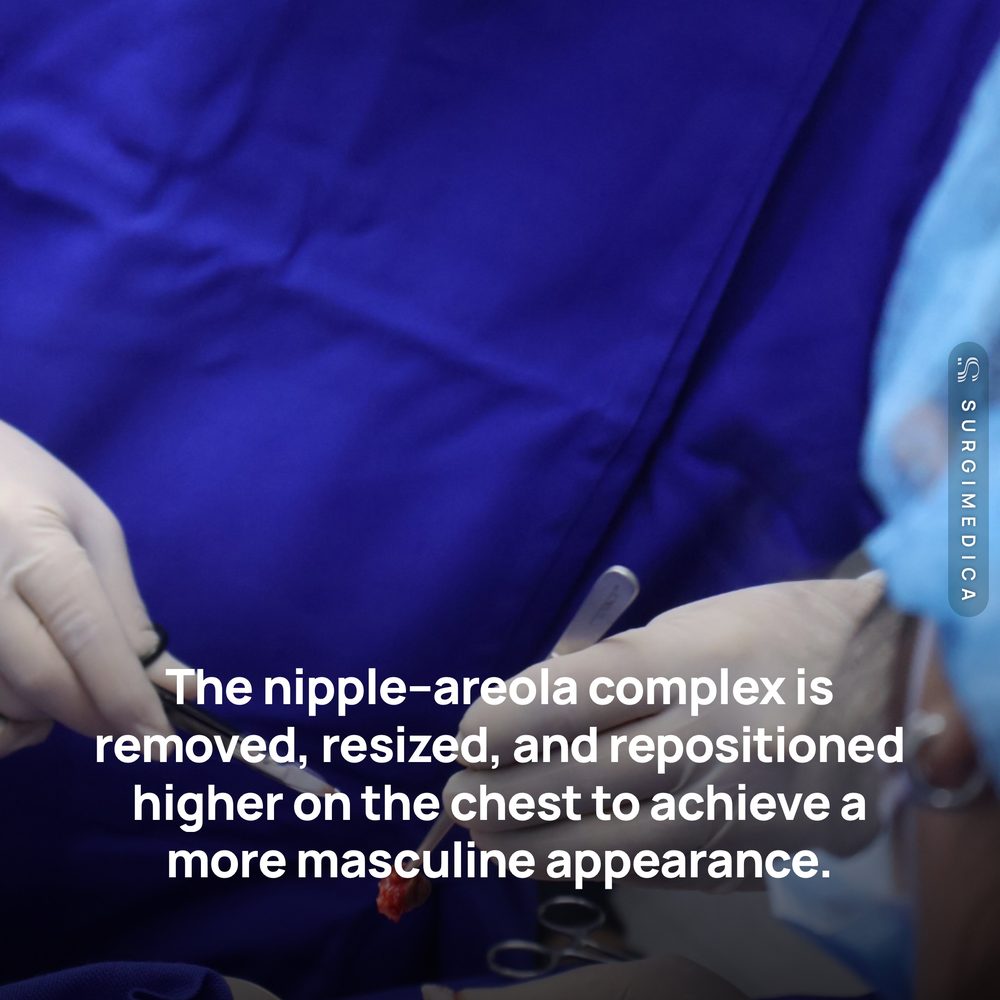
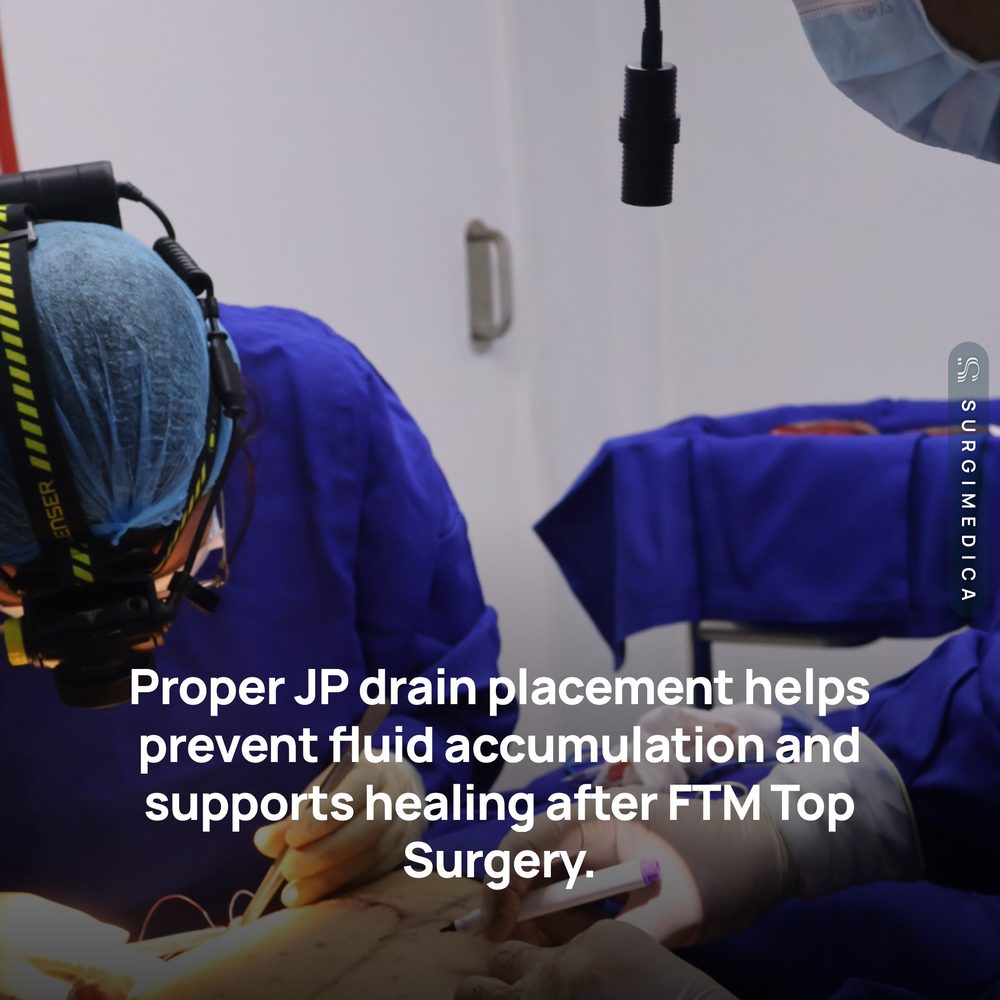
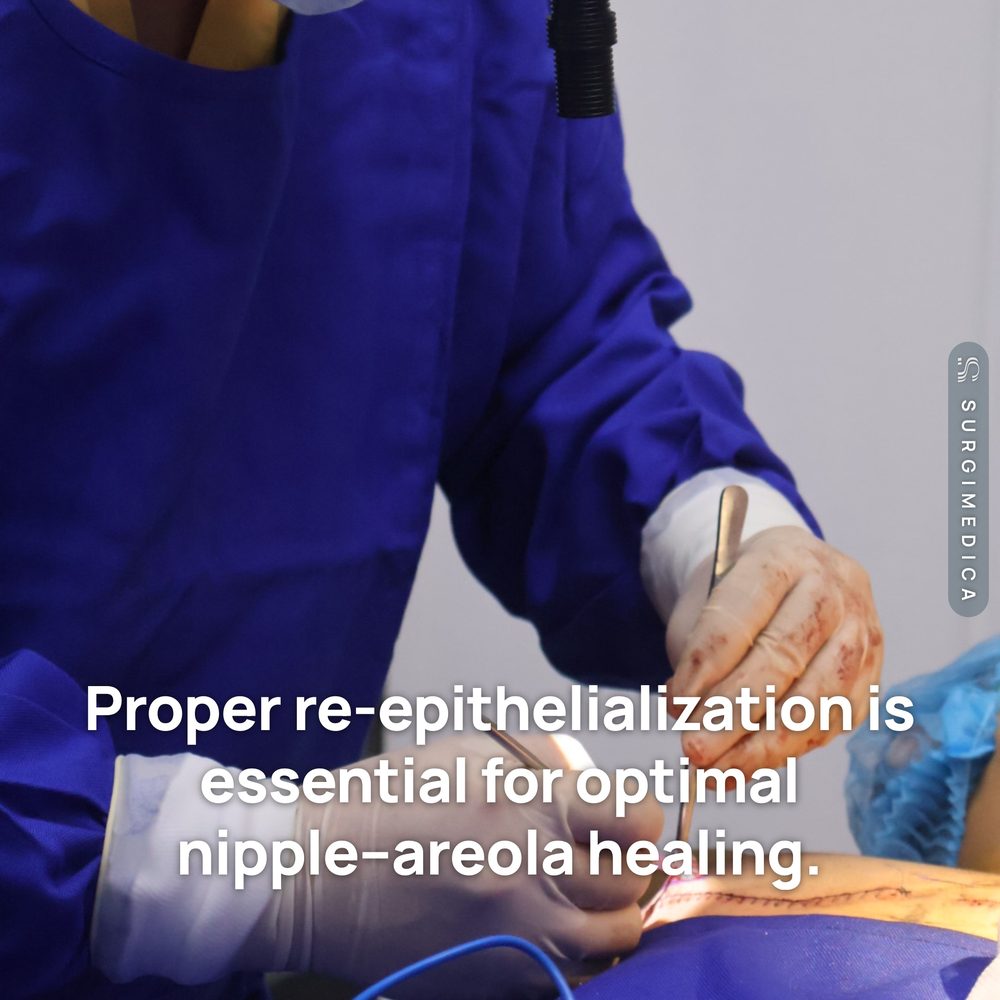
What happens during FTM top surgery, step by step.

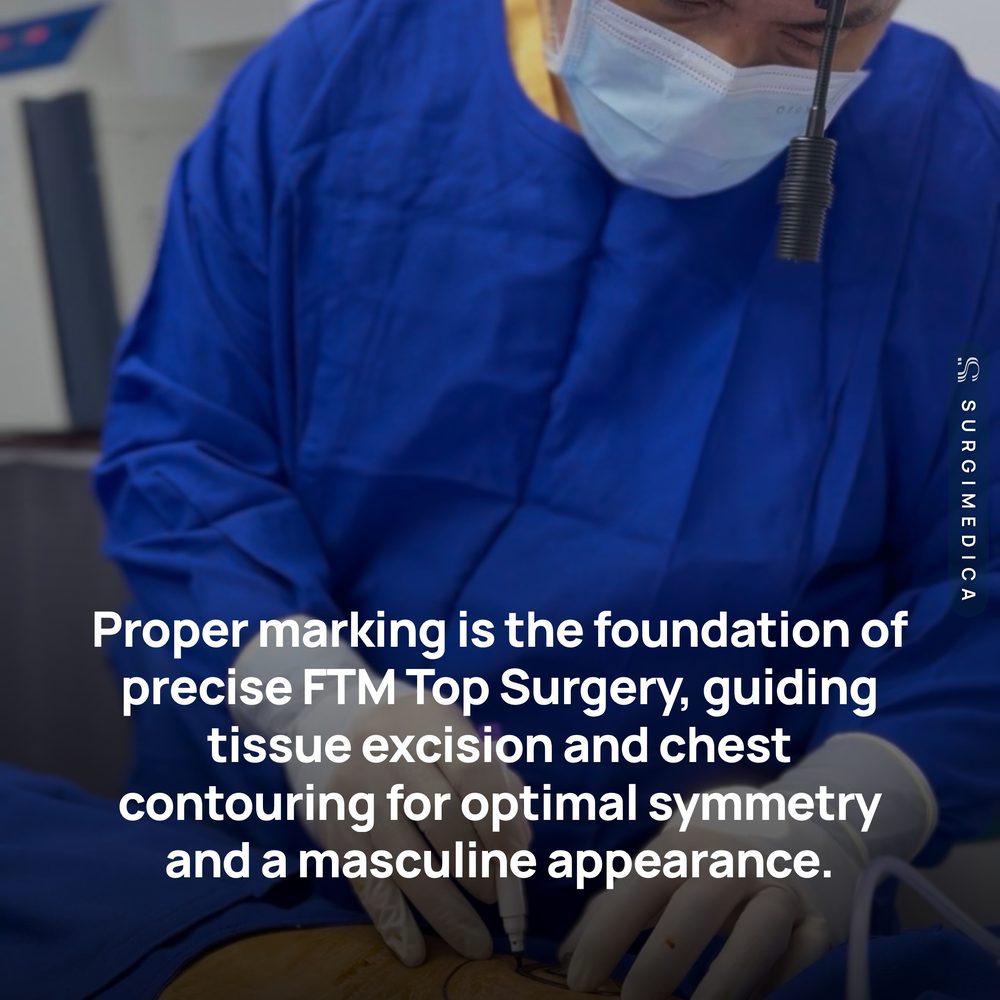
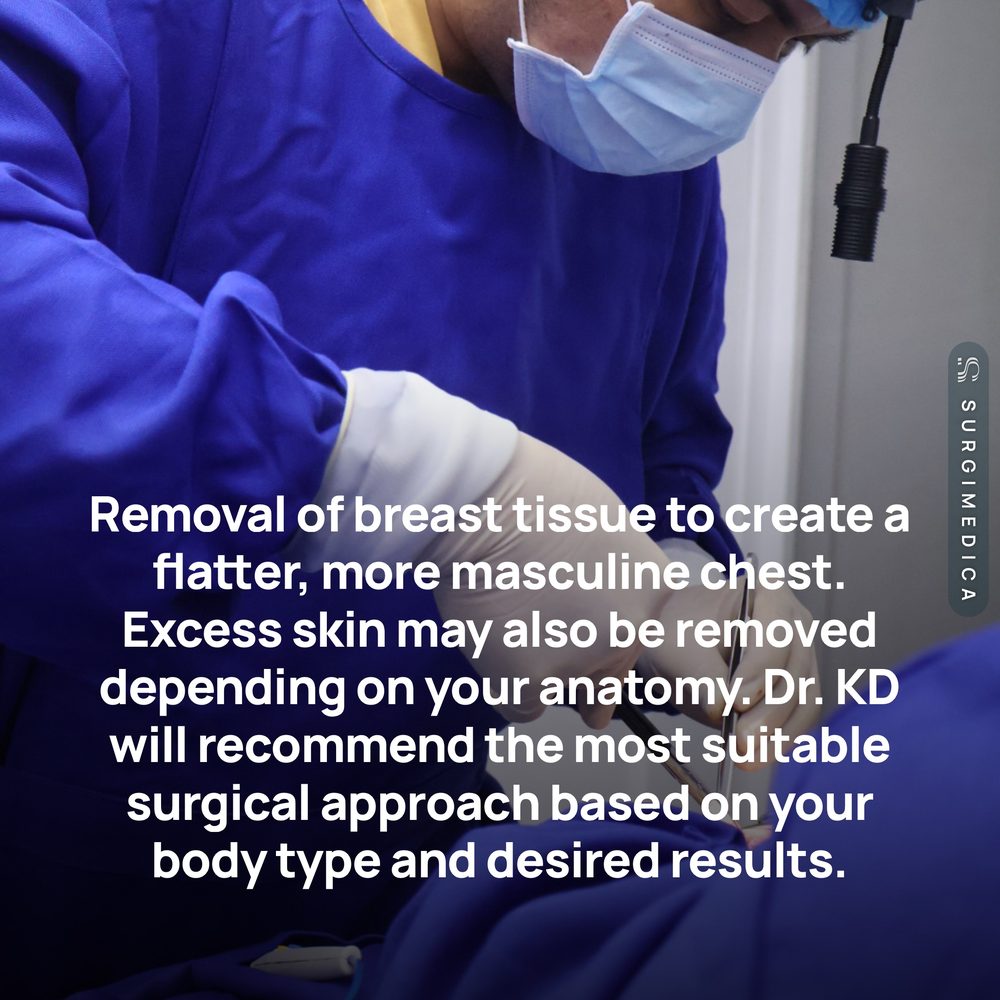
Marking the chest before surgery for symmetry and a masculine contourRemoval of breast tissue to create a flatter chestThe nipple-areola complex is resized and repositioned higher on the chestDrain placement helps prevent fluid build-up after surgeryCareful healing of the nipple-areola area

What to know

What is FTM top surgery?+

FTM top surgery (chest masculinization) removes breast tissue and, when needed, extra skin, and reshapes the chest into a flatter, more masculine contour. Nipple size and position are adjusted too. It is a gender-affirming surgery for transgender men and non-binary people.

No single technique fits everyone. Your surgeon looks at your chest size, how elastic your skin is, and where your nipples sit, then recommends the most suitable approach.

Which approach is right for me?+

In general, larger chests or looser skin call for the double incision approach, smaller chests with elastic skin can suit the periareolar approach, and very small chests with little extra skin can suit the keyhole approach.

This is only a guide. The decision is made together with your surgeon after an examination.

Recovery: what to expect+

Expect swelling, bruising and soreness at first. Many people have drains for a few days to prevent fluid build-up, and a compression garment or dressings over the chest. Your surgeon tells you how long to wear them and how to care for the incisions.

You will need to limit arm movement and avoid heavy lifting and strenuous exercise for a while. Healing takes weeks, and scars keep maturing for months. We give you clear do's and don'ts before surgery and see you at follow-up visits.

Risks and things to know+

Every surgery has risks. With FTM top surgery these include bleeding, infection, a collection of fluid or blood under the skin, healing problems with the nipple, changes in nipple or chest sensation, visible scarring, uneven contour, and the possibility of a revision.

Results differ from person to person. The photos on this page are from different patients and are not a promise of your own result.

Questions to bring to your consultation+

Which approach do you recommend for me, and why? Where will my scars be? What will happen to my nipples? How long will I need drains and a binder, and when can I go back to work and exercise? What are my chances of needing a revision?

This page is general information, not medical advice. Your surgeon will talk about your own situation during your consultation.

Interested in ftm top surgery?

Request a consultation and our team will confirm your schedule by text or email.

Book a consultation